No jab for my pet? Vaccine scepticism comes for pet owners too

A two-year-old miniature dachshund named Dallas receives leptospirosis and bordetella vaccines at the Wildflower Veterinary Hospital in Brighton, Colorado.., Oct. 21, 2025. Anti-vaccine sentiment is spilling over into veterinary medicine, making some owners hesitant to vaccinate their pets, even for fatal diseases like rabies. Photos: JIMENA PECK/The New York Times
In the four years since opening her own veterinary clinic, Dr. Kelly McGuire has encountered more than her share of heartbreaking — and preventable — cases.
She treated a dog whose kidneys failed after contracting leptospirosis, a bacterial disease commonly spread by rodents. Several of her canine patients arrived with such advanced parvovirus infections that they died after severe gastrointestinal damage left them dehydrated and malnourished. And in one devastating case, she had to euthanize a 20-week-old puppy suffering from seizures because she could not rule out rabies.
For McGuire, who owns Wildflower Veterinary Hospital in Brighton, Colorado, these deaths were especially difficult because each could likely have been prevented with proper vaccination. Throughout most of her career, immunizing pets was a straightforward, routine part of veterinary practice.
But after the Covid-19 pandemic, she found herself engaged in increasingly tense conversations with pet owners who questioned whether vaccines were safe, necessary, or even honest recommendations. Some accused her of pushing vaccines for profit. Others demanded that shots be spaced out or refused them entirely, even for highly dangerous and incurable diseases like rabies.
“I actually had someone scream at us and storm out because we required rabies vaccines for her cats,” she said. The owner insisted the clinic was trying to “kill her cats with vaccines.”

Over the past several years, anti-vaccine sentiment has spread across the United States. Fueled by political disputes surrounding Covid-19 vaccines and the rising influence of outspoken vaccine critics, it has contributed to falling childhood vaccination rates, the return of illnesses like measles, and growing political pressure to weaken vaccine mandates. In some states, officials have even proposed eliminating school-vaccination requirements entirely.
Now that skepticism is moving into veterinary medicine as well.
According to veterinary experts, many clinics are reporting similar trends: pet owners questioning vaccine schedules, expressing safety fears rooted in online misinformation, or declining core vaccines completely.
Recent surveys suggest that a substantial portion of American pet owners harbor concerns about vaccine safety, necessity, or frequency. Studies estimate that roughly one-fifth of dog owners and one-quarter of cat owners show signs of vaccine hesitancy — a trend that existed before the pandemic but has accelerated significantly since.
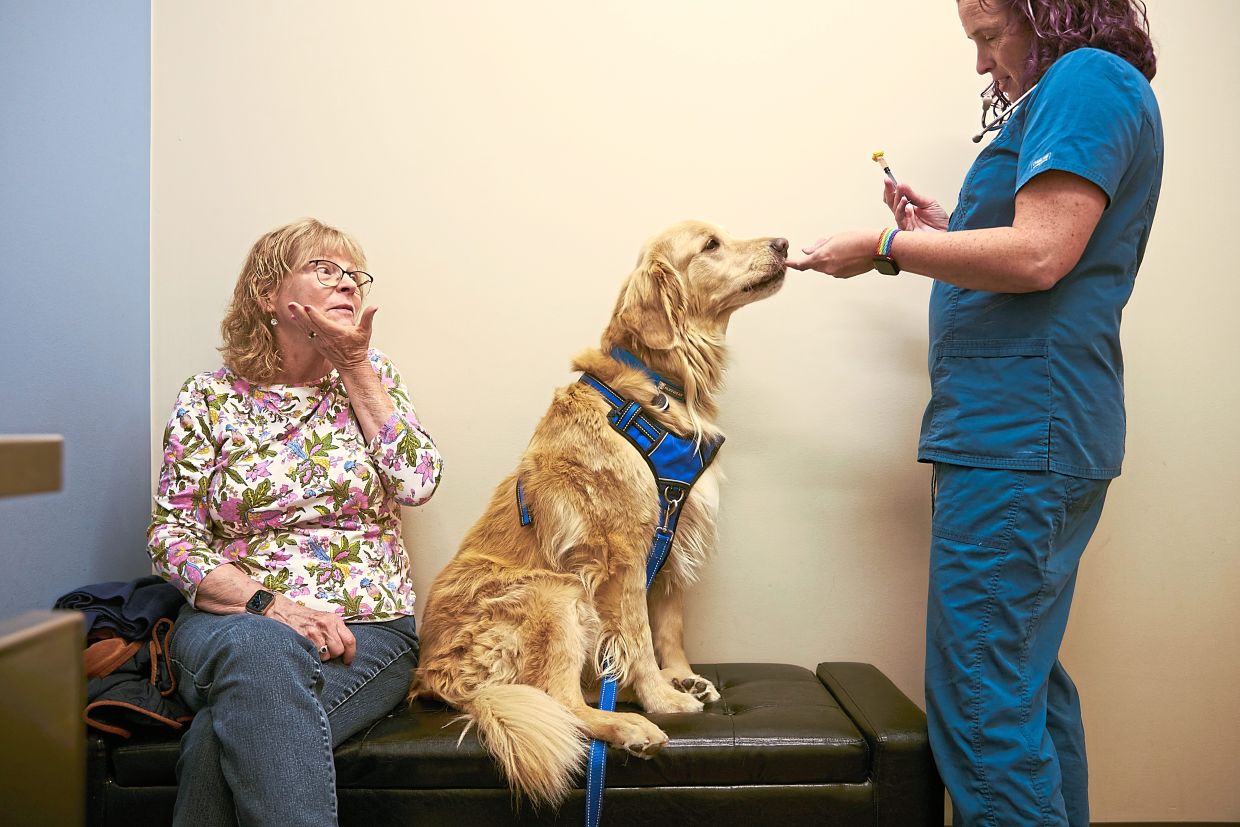
Public-health researchers note that attitudes toward human vaccines often mirror attitudes toward animal vaccines. As skepticism of Covid-19 vaccines grew, so did suspicion about veterinary vaccines. Some pet owners now argue that animals receive “too many shots,” believe natural infection builds better immunity, or claim that vaccines can trigger neurological or behavioral changes — including unfounded fears about “autism-like” conditions in pets.
Experts stress that such claims have no scientific basis. While earlier vaccines sometimes carried a higher risk of mild side effects, modern veterinary vaccines have been refined, and serious reactions are extremely rare. At the same time, diseases such as rabies, leptospirosis, and parvovirus remain far more dangerous, often deadly, and in some cases transmissible to humans.
Veterinarians say the core challenge is similar to what pediatricians face: vaccines have been so effective that many pet owners no longer recognize the severity of the diseases they prevent. Without visible reminders of the risks, it becomes easier for misinformation to take hold.
Declining vaccination rates among pets would endanger far more than animal health. Several preventable diseases can spread from pets to people, and as pets increasingly share our homes and daily lives, exposure risks grow. Before widespread pet-vaccination campaigns began in the mid-20th century, dog bites were a leading cause of human rabies cases in the United States.
While most states require dogs to be vaccinated against rabies, regulations vary, and some are already facing political pressure to loosen them. Public-health experts worry that if vaccine hesitancy continues to rise, policymakers may roll back long-standing protections, leading to lower vaccination rates and a resurgence of dangerous diseases.
As one health policy researcher put it, even long-established public-health practices can shift quickly: health policy is dynamic, shaped by political forces, and often mirrors public perception — even when that perception is driven by misinformation.
About Post Author


