Poland accuses Russia of attack plot involving explosives smuggled in corn tins

AP Photo
Polish authorities are investigating an alleged Russian plot in which food cans labeled as corn were reportedly packed with explosives and smuggled into the country, according to local media reports.
Gazeta Wyborcza reported Thursday that sources from the Polish National Prosecutor’s Office and the Internal Security Agency (ABW) confirmed the case.
The suspect, identified only as Władysław D., is reportedly a Ukrainian linked to Russia’s military intelligence agency (GRU). He allegedly retrieved the explosive-filled cans from a cemetery in Lithuania and left them near Łódź in central Poland.
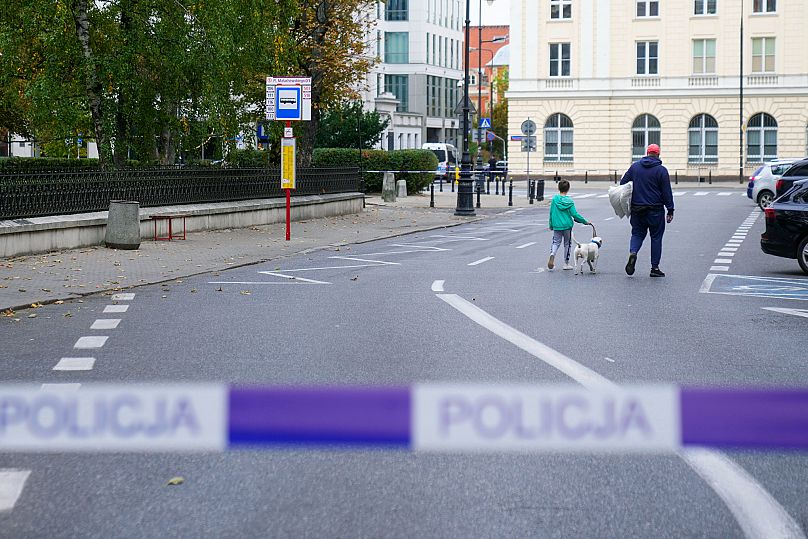
A military expert told Gazeta Wyborcza that the amount of explosives involved could have caused severe damage to vehicles and posed a life-threatening risk to anyone nearby.
Poland’s special services coordinator, Tomasz Siemoniak, said the GRU had planned sabotage operations not only in Poland but also in Lithuania and Germany, using explosives concealed in the cans. Investigators said the operatives were allegedly planning to attach the cans to drones for potential attacks.
While authorities have not confirmed a motive, Poland’s strong support for Ukraine during Russia’s full-scale invasion is considered a possible factor. Since 2022, Warsaw has provided roughly €3.3 billion in military and humanitarian aid to Kyiv. Poland also hosts around 1 million refugees, mostly women and children, who fled the conflict.
The Polish National Prosecutor’s Office told TVP World that the investigation is part of a broader inquiry into Russian hybrid warfare operations in Europe.
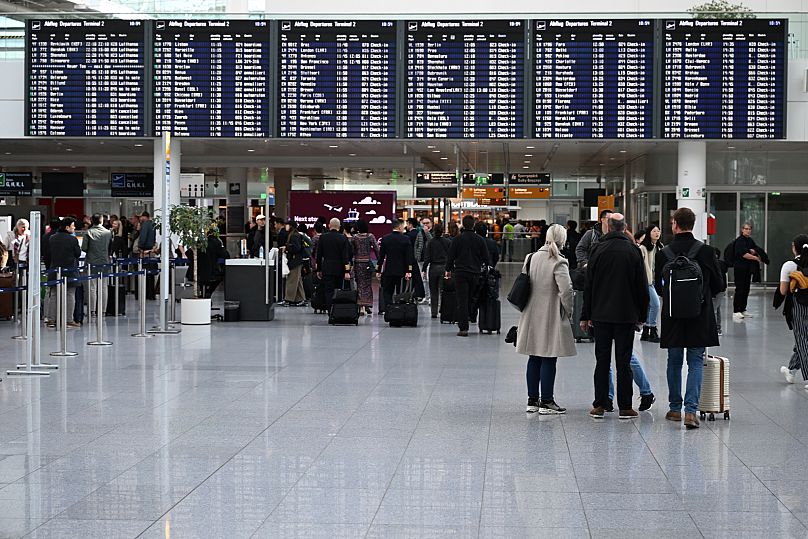
The discovery comes amid a series of recent airspace violations across Europe. Munich Airport in Germany suspended operations Thursday night following reports of multiple drones, resulting in 17 canceled flights. Airports in Denmark, Norway, and Poland have also recently halted flights due to unidentified drone activity, with similar incidents reported in Estonia and Romania.
European leaders are increasingly debating the construction of a “drone wall” to protect the continent’s eastern flank from suspected Russian incursions. Moscow, however, has denied responsibility, dismissing the claims as “unfounded accusations.”
About Post Author