China won’t let Trump take Bagram Air Base back from the Taliban without a fight

An infographic titled "Trump's Bagram plan revives great power rivalry over Afghanistan" created in Ankara, Turkiye, on Sept. 23, 2025. (Murat Usubali/Anadolu via Getty Images)
President Donald Trump announced this month that the United States is looking to reclaim Bagram Airfield from the Taliban in Afghanistan — the same base Washington abandoned more than four years ago.
But analysts warn the plan faces almost impossible odds.
“The Taliban will never accept the U.S. return,” said Bill Roggio, senior editor of the Long War Journal at the Foundation for Defense of Democracies, in an interview with Fox News Digital. “I’d sooner believe the Taliban would give up Sharia law than let the U.S. back into Bagram. And even if the Trump administration could somehow persuade them, China would come down hard.”
According to Roggio, Beijing and Moscow both have a vested interest in keeping America out of Afghanistan. Since the U.S. withdrawal, China has moved quickly to cement its influence, exploiting the country’s mineral wealth and expanding its Belt and Road Initiative. In 2023, China became the first country to appoint an ambassador to Taliban-run Afghanistan, and Chinese Foreign Minister Wang Yi met with Taliban leadership in Kabul just last year.
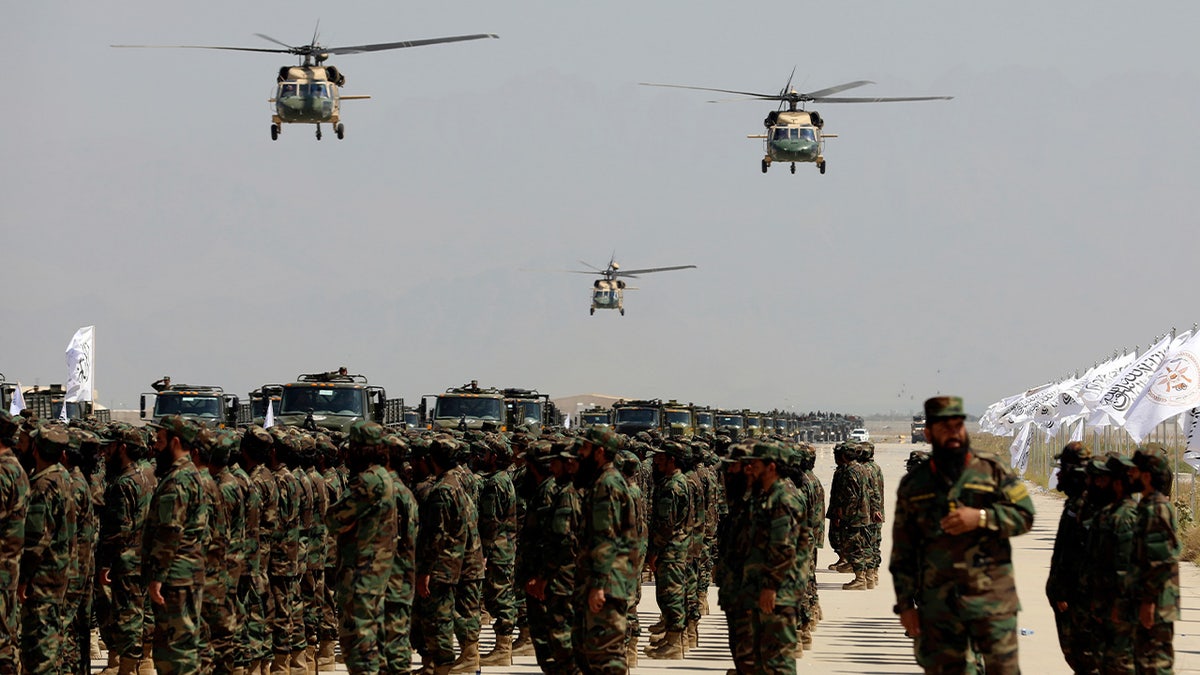
Beijing has shown interest in Afghanistan’s rich deposits of lithium, copper, iron, gold, and uranium — resources that could both fuel China’s economy and prop up Afghanistan’s struggling one. But that also gives China leverage over the Taliban. Roggio explained that Beijing could easily pressure the Taliban by threatening to pull trade deals, revoke mining rights, or cut off political recognition.
“The Taliban don’t care nearly as much about recognition from the U.S. as they do from China and Russia,” Roggio said.
President Trump maintains that the 2020 Doha agreement he signed with the Taliban never required giving up Bagram. “We were going to keep it,” he told reporters in the U.K. last week, adding that the base is strategically important because of its proximity to China. Trump claimed it sits just an hour from where Beijing makes nuclear weapons, though neither the White House nor the Pentagon would confirm which facility he was referring to.
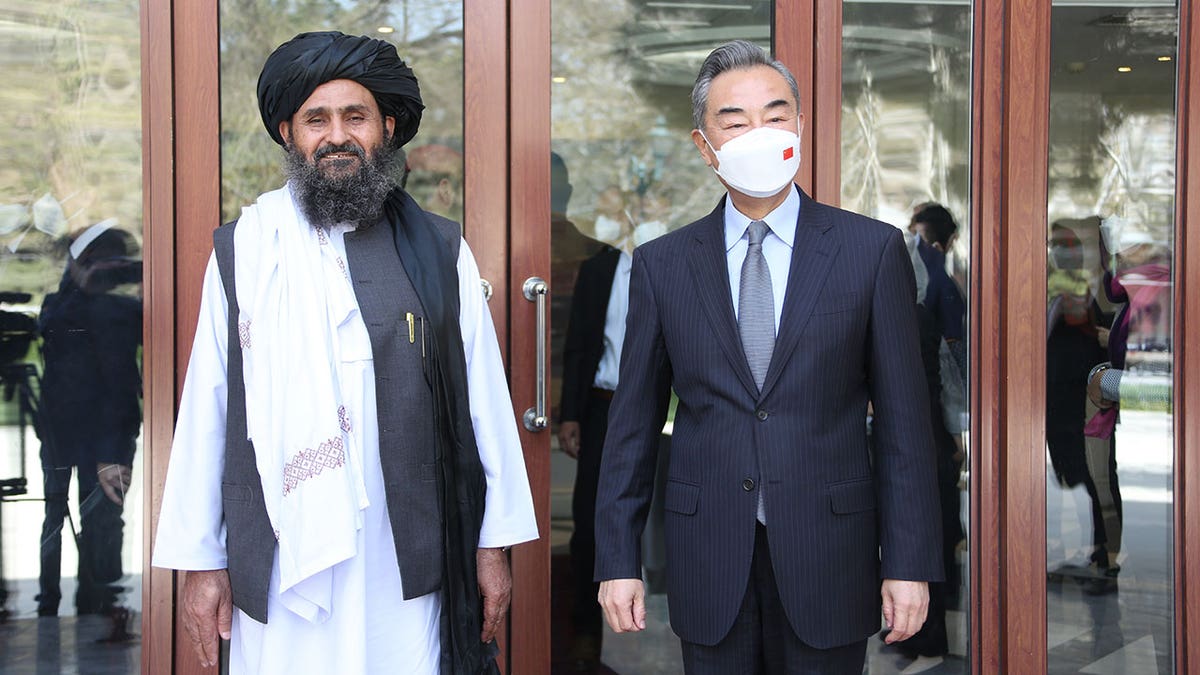
Roggio cautioned that the Taliban’s growing partnership with China is “dangerous,” pointing to the possibility of Beijing providing the group with advanced technology, including military hardware. Mining deals alone could funnel billions into Taliban hands, he added.
That money would not only strengthen the Taliban government but also benefit terrorist organizations. Roggio said al Qaeda continues to operate openly in Afghanistan, running training camps in more than a third of the country’s provinces, while also maintaining safe houses, schools, and weapons depots.
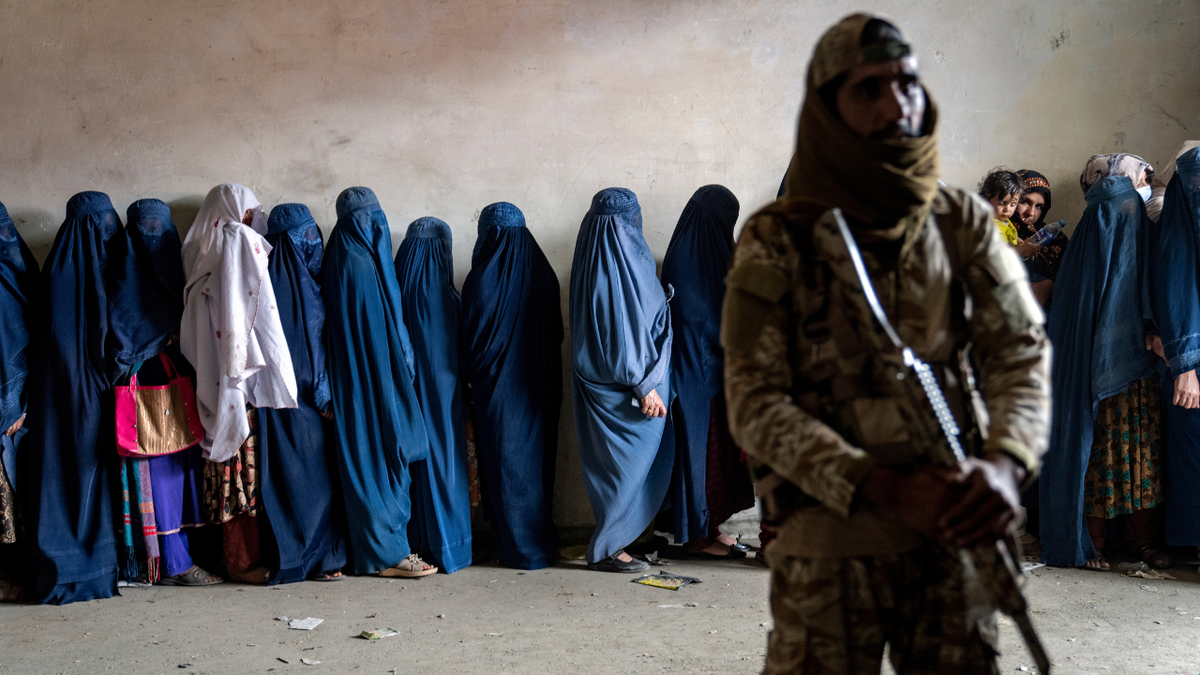
“Afghanistan today looks far worse than it did on September 10, 2001,” Roggio warned.
About Post Author


