Decades of incest meant a Kentucky family were so inbred they had blue skin

A family’s multi-generational pattern of extreme inbreeding led to parents being stunned when children were born with distinctly blue-colored skin.
The secluded Fugate family of Kentucky resided in a highly isolated, rural area where inbreeding proliferated due to minimal interaction with the outside world.
The lineage began with Martin Fugate, who emigrated to the US from France around 1820 and settled in Troublesome Creek, Kentucky.
Martin is thought to have been born with blue skin, and his parents were so alarmed they abandoned him at an orphanage.
Though doctors of that era couldn’t identify the disorder, a blood specialist in the 1960s concluded Martin had methemoglobinemia.
Methemoglobinemia is a blood disorder in which methemoglobin levels rise, preventing hemoglobin from releasing oxygen effectively and causing cyanosis and symptoms such as headache, dizziness, and blue-colored skin. It can be inherited or acquired from medications such as benzocaine, nitrites, or dapsone, and is treated with oxygen therapy and methylene blue.

In Kentucky, Martin met and married Elizabeth Smith who, astonishingly, possessed the recessive gene for this identical, exceedingly uncommon condition. The couple produced seven children, with four displaying the blue coloration, according to History Extra.
Within Martin and Elizabeth’s offspring, Zacharia wed his own aunt, while another son took a close cousin as his bride. One descendant, Luna Fugate, was notably characterized as being “blue all over” with lips as “dark as a bruise”.
The isolated community lacked road connections to the outside world and was inhabited by only four other families – the Combs, the Richies, the Smiths, and the Stacys. This remote location led to consecutive generations of intermarriage, resulting in the rare condition manifesting across multiple generations of blue-skinned residents.
Luna married John Stacy during the late 1800s, and the couple went on to have 13 children. Remarkably, the offspring displayed no health issues beyond their distinctive blue complexion – despite methemoglobinemia typically being linked to severe medical complications including developmental issues and seizures.
The mystery surrounding the Fugates’ unusual skin color went unexplained until the 1960s, when hematologist Madison Cawein cracked the case.
The University of Kentucky physician encountered two blue-skinned people at a local clinic and, after ruling out cardiac and respiratory conditions, diagnosed them with methemoglobinemia – a condition typically inherited but occasionally triggered by certain drugs or chemical exposure.
Dr Cawein conducted trials by giving affected family members a blue substance known as methylene, theorizing they lacked an essential enzyme. Though this temporarily restored their natural skin tone for several days, the blue coloration ultimately reappeared.
He then recommended the family begin taking daily medication to manage their unusual skin tone. The condition captured nationwide attention in 1975 when Benjamin Stacy entered the world with skin as “blue as Lake Louise”, according to ABC News.
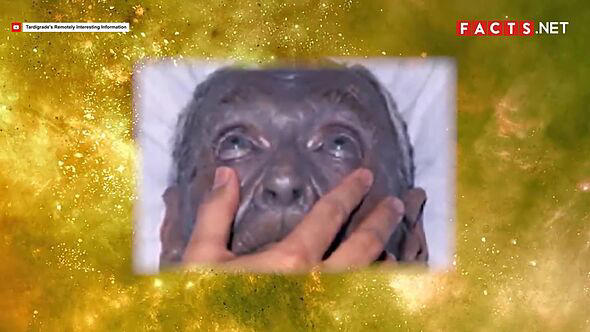
Within hours of his birth, he was rushed to the University of Kentucky Medical Center for a blood transfusion – until his grandmother recognized his striking similarity to the Fugates of Troublesome Creek. It was subsequently revealed that his great-grandmother was Luna Fugate – regarded as the “bluest” woman ever seen.
A current descendant of the Fugate lineage told the Daily Mail that the condition persists in their family to this day. Hazel Fugate shared that her 69-year-old husband, Gary, a descendant of Martin’s, continues to live with methemoglobinemia.
While less pronounced than in earlier generations, Hazel noted that in low light conditions, “the color of his skin is a blue purple” and has become more noticeable as he’s aged.
The couple revealed that their son was born with the same condition but evidently outgrew it by age 5. Similarly, their daughter appeared to display symptoms for only a few months.
–
Original Article: Decades of incest meant a Kentucky family were so inbred they had blue skin
About Post Author


