Detroit’s Heidelberg Street Archive Lands For Good At Wayne State

Posted For: Egyptian My Ass
After nearly 40 years of transforming Detroit’s Heidelberg Street with painted houses, found-object sculptures, and porch installations, the Heidelberg Project is now ensuring its historical records receive the same care as its public art. The Detroit-based nonprofit announced Tuesday that its full archive will find a permanent home at Wayne State University’s Walter P. Reuther Library. This move secures decades of photographs, planning documents, organizational records, and materials related to community programs, while the street itself continues to serve as a vibrant canvas for creative expression.
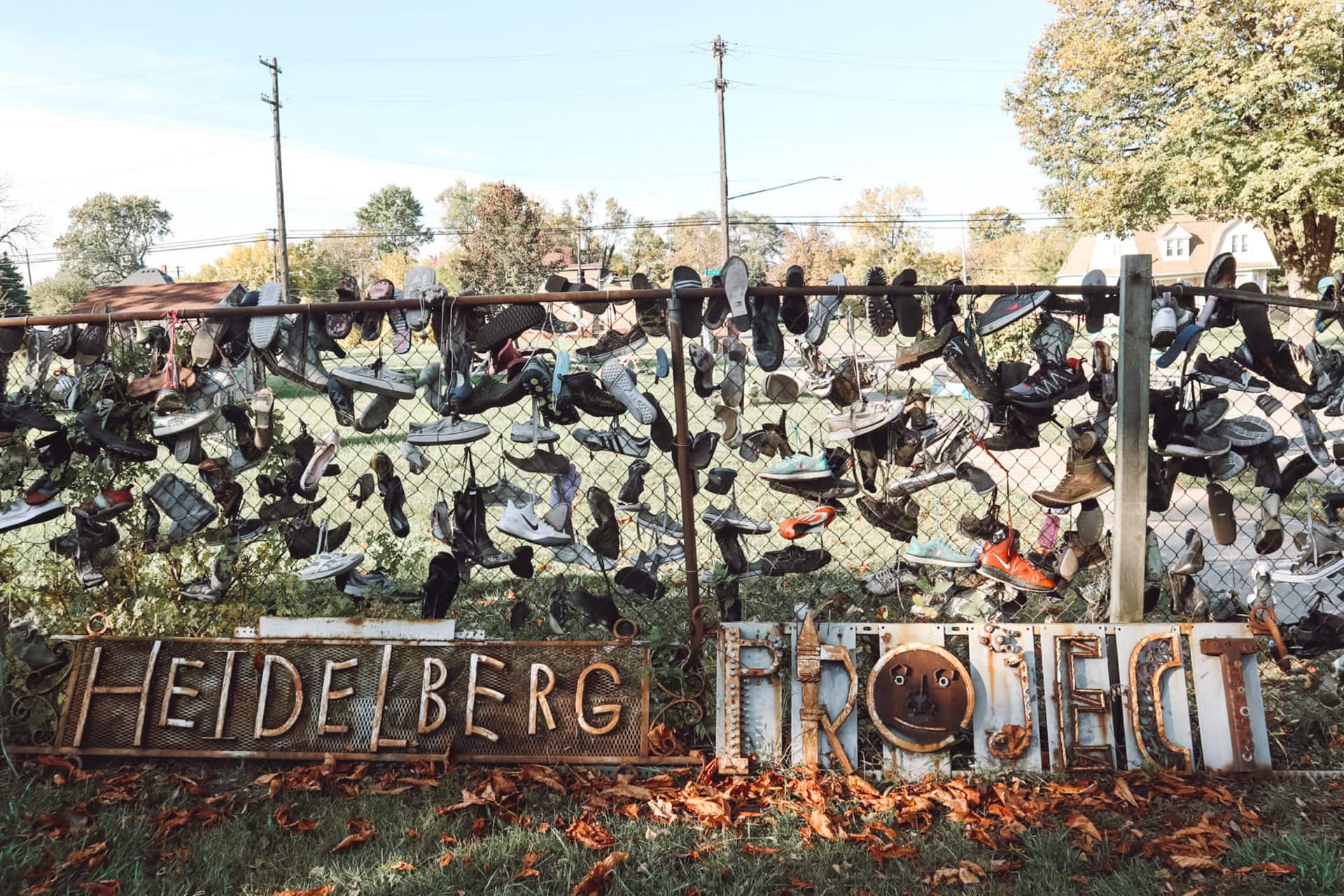
The collection, according to the Detroit Free Press, includes everything from planning documents and photographs to materials reflecting the project’s community engagement initiatives. Andy Sturm, the Heidelberg Project’s executive director, emphasized that housing the archive at the Reuther Library guarantees that the story remains rooted in Detroit and continues to evolve as a reflection of the city. Katrina Rouan, director of the Reuther Library, said the institution is proud to steward the nonprofit’s materials and hopes the archive inspires new research and creative projects.
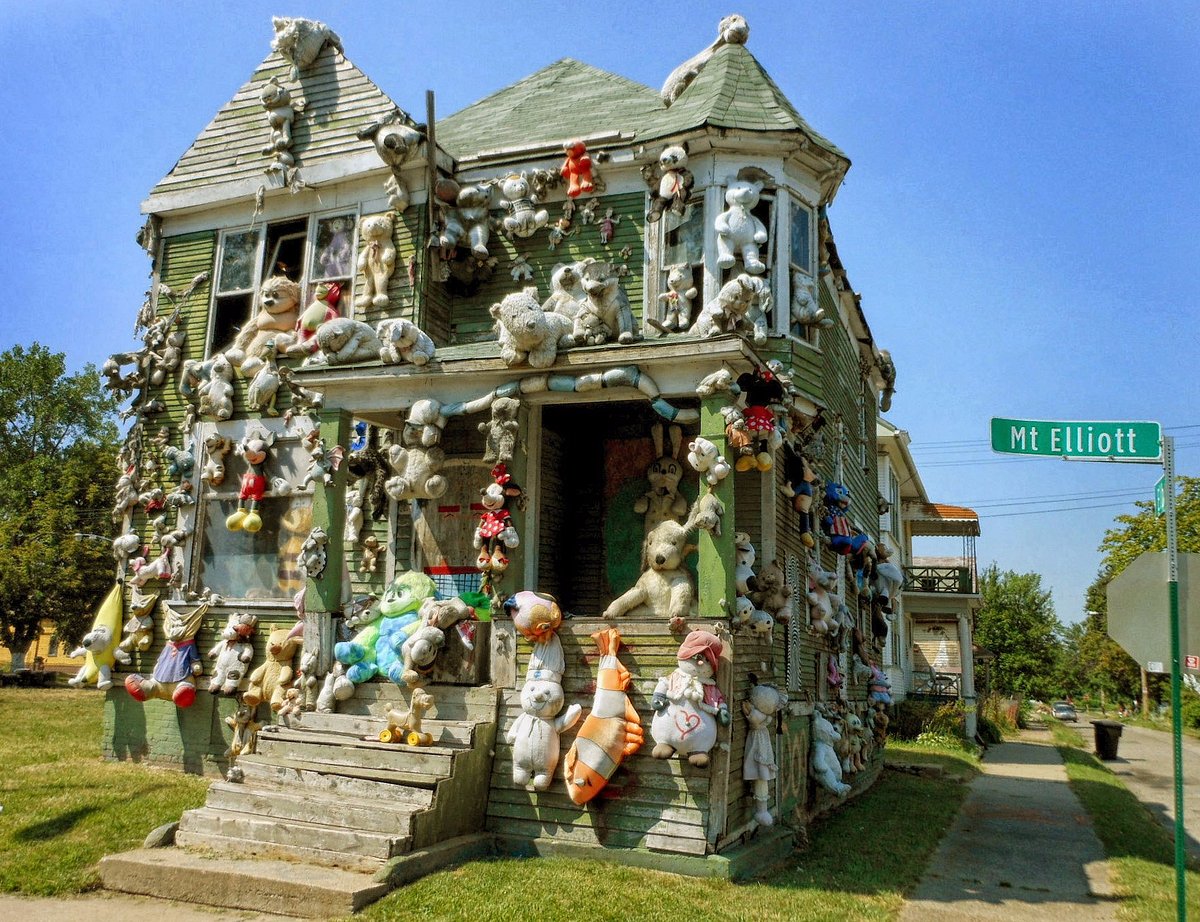
Preserving the archive for research
Wayne State’s Walter P. Reuther Library, which specializes in labor and urban affairs collections, will oversee the Heidelberg materials and provide access for educational and scholarly purposes. The library already has the infrastructure to manage large community-centered collections, including reading rooms, digitization services, and staff support for special archives. Archivists will collaborate with Heidelberg staff to catalog and preserve the materials, digitizing photographs and audiovisual items when possible so researchers can access them remotely.

Tyree Guyton’s enduring impact
Founded in 1986 by Tyree Guyton, the Heidelberg Project is approaching its 40th anniversary in 2026. Guyton’s work and recent accolades have heightened interest in preserving his artistic legacy, as noted by the Kresge Foundation. Officials with the project have clarified that transferring the archives does not mark the end of its activities; programming and neighborhood collaborations will continue. In short, the historical records move indoors under controlled conditions, while the art remains alive on Heidelberg Street.

Looking ahead for scholars and the community
The Reuther Library provides detailed guides, catalog records, and appointment-based access for researchers. On the street, the Heidelberg Project’s “Our Future” plan includes renovations, a History House, and artist residencies to maintain the public art experience. By separating the archival materials from the street installations, the project ensures the long-term preservation of its work while keeping the art accessible to the community. Archivists and artists alike see this partnership as a model for safeguarding cultural history without removing it from its neighborhood context.
About Post Author


