Catalina’s Mule Deer Aren’t Long for This World

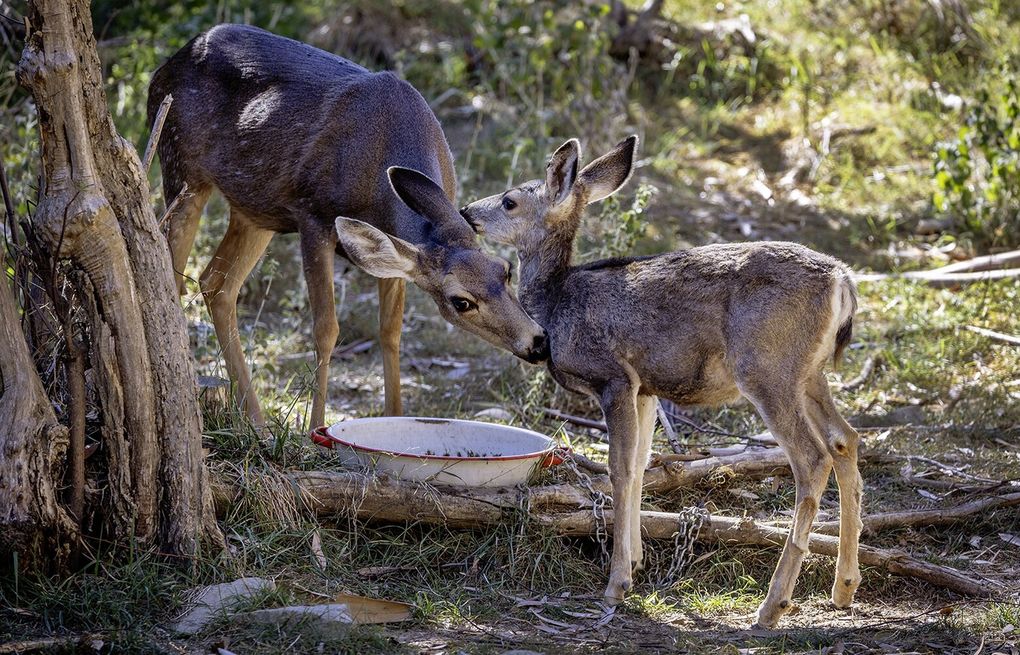
A non-native mule deer in the wild on Santa Catalina Island off the coast of California. (Getty Images / KKStock)
The California Department of Fish and Wildlife has approved a permit allowing the Catalina Island Conservancy to remove the island’s estimated 1,800 deer population over the next five years. The effort will rely largely on professional sharpshooters. In many parts of the island, crews may operate at night and use helicopters, drones, and eventually trained dogs to track the remaining animals, according to reporting by The Guardian. The Los Angeles Times reports that 10 to 12 trained professionals could begin work as early as September. Some of the meat from the cull is expected to be used by the California Condor Recovery Program.
The plan has sparked strong opposition. An online petition titled “Stop the Slaughter of Mule Deer on Catalina Island” has gathered nearly 23,000 signatures. Los Angeles County Supervisor Janice Hahn criticized the proposal, saying it “disregards the deeply held values of many Catalina residents and visitors.” The deer, introduced to the island as a game species in the 1920s, have become part of Catalina’s character for generations. Many hunters share that view. A lawyer representing Safari Club International said the deer have provided one of the few big-game hunting opportunities in Southern California, calling their presence “really important” to the hunting community.
The Catalina Island Conservancy, which manages about 88% of the island, defends the plan as an environmental necessity. The nonprofit says the nonnative deer have heavily grazed native vegetation that evolved without large herbivores and lacks natural defenses. According to the conservancy, the grazing has contributed to the spread of invasive grasses and heightened wildfire risk. Officials argue that removing the deer and restoring native plant life is essential to protecting endangered species such as the Catalina Island fox, the Catalina Hutton’s vireo, and the Catalina Island mountain mahogany — described by the Los Angeles Times as potentially “the rarest tree in North America.”
About Post Author


