Colombia’s Petro Condemns U.S. Strikes on Boats as “Murder”

President of Colombia Gustavo Petro Urrego addresses the 80th session of the United Nations General Assembly, Tuesday, Sept. 23, 2025, at U.N. headquarters. (AP Photo/Pamela Smith)
Colombian President Gustavo Petro sharply criticized recent U.S. airstrikes on suspected drug-trafficking boats in the Caribbean, calling them an “act of tyranny” and questioning their legality and human cost.
In an interview with the BBC, Petro argued that the use of missiles against the vessels—operations that reportedly left 17 people dead this month—amounts to murder rather than law enforcement. “Why launch a missile if you could simply stop the boat and arrest the crew?” he said, warning that the strikes violate the principle of proportional force.
The attacks, authorized by President Trump and largely focused on waters near Venezuela, are part of a wider campaign against drug smuggling to the United States, particularly fentanyl. The Trump administration has claimed members of the Venezuelan gang Tren de Aragua were among those killed, though that has not been independently confirmed.
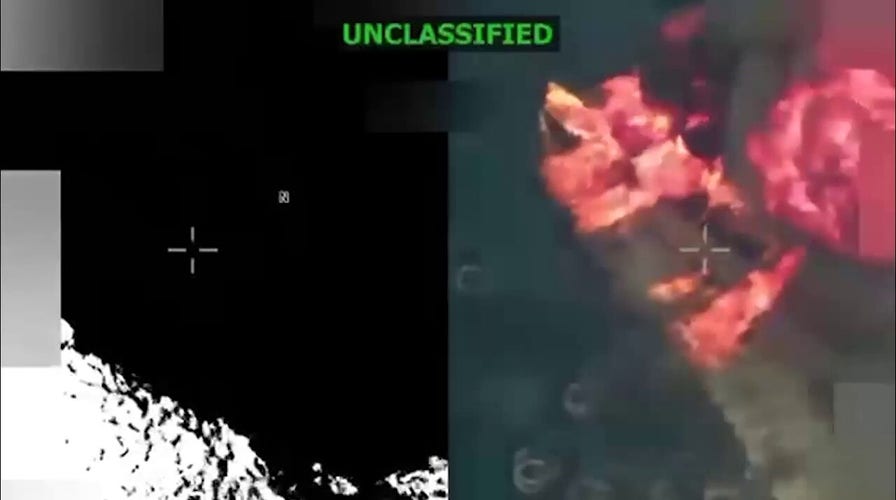
Legal experts and lawmakers in the U.S. and abroad have raised concerns about the operations, with United Nations officials describing them as possible extrajudicial executions. Addressing the UN General Assembly on Tuesday, Petro urged that Trump face criminal proceedings over the strikes, according to the Guardian.
Petro also said criminal investigations should target U.S. officials if Colombian citizens were among the dead. The White House defended the campaign, stressing Trump’s determination to use “every element of American power” to disrupt narcotics trafficking.
The dispute comes as Trump doubles down on tough measures across Latin America, including mass deportation plans and efforts to label certain cartels as terrorist groups. Petro, who has frequently clashed with Washington, dismissed suggestions that his stance could damage Colombia’s diplomacy. Instead, he argued, it is the U.S. that risks deeper isolation with its current strategy.
About Post Author


