More mothers are getting head lice now

Humans and lice have coevolved for thousands of years. The oldest human louse known to scientists is a 10,000 year-old specimen from Brazil. Getty Images
As kids head back to school, so too does the risk of lice making an unwelcome return to your home.
According to Wendy Schaffer-Berenbaum — Montreal’s well-known “lice fairy” — more adults, especially mothers, have been getting lice in recent years. She believes the increase may be linked to the pandemic, when families spent more time in close quarters.
“Parents helping with homework or snuggling up to read are often physically close to their kids, sometimes with their heads touching,” she explains. “If that first ‘all-inclusive resort’ — the child’s head — is full, mom’s head is looking pretty good right now.”
And it’s not just parents who should be on alert.
Grandparents, Take Note: You’re Not Immune
With grandchildren returning to school and visiting on weekends or holidays, grandparents should also be cautious. Lice don’t discriminate by age — they just need a scalp. If grandkids come over for hugs, movie nights, or sleepovers, they can unknowingly bring lice with them. A quick check or encouraging kids to wear their hair up during visits can help reduce the risk.
What Are Lice?
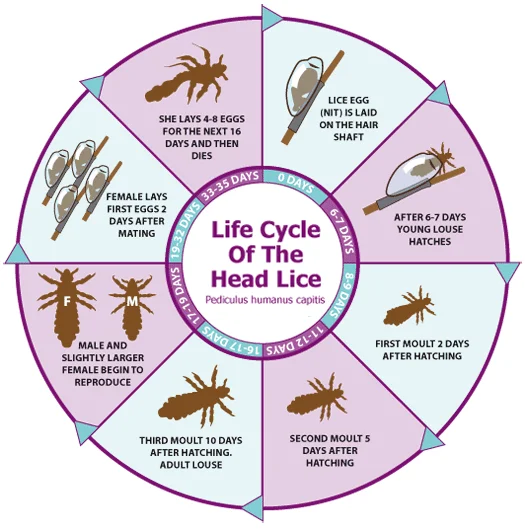
Lice are tiny, grey, sesame seed-sized insects that live on the scalp — and sometimes on eyebrows or in beards. They lay eggs (called nits) that stick stubbornly to hair shafts.
Though they’re annoying, lice aren’t dangerous. According to Quebec health officials, they don’t carry diseases and aren’t a sign of poor hygiene. They’re simply common in environments like schools and daycares.
Signs to Watch For
The telltale symptom of lice is an itchy scalp, caused by an allergic reaction to the insect’s saliva as it feeds on blood.
“The best way to find lice or nits is through a careful head inspection,” officials say. “There are usually only 10 to 20 live lice on a head, so checking thoroughly is crucial.”
.
What to Do If You Find Lice
Schaffer-Berenbaum recommends checking children’s heads weekly, especially during the back-to-school season. And if you do find something?
“Don’t panic,” she urges. “You can call a professional or pick up a lice treatment at the pharmacy. Just follow the instructions — don’t double up on treatments or overdo it.”
What About Cleaning the House or Car?
You don’t need to go into full decontamination mode, she says.
“Too much time and energy is spent cleaning the house when the focus should be on the hair. If you consistently treat the hair, you’ll solve the problem,” Schaffer-Berenbaum explains.
Lice can’t survive without a human host for more than 24 to 48 hours. Common sense goes a long way: wash items that touched the head — like hats, pillowcases, towels, pajamas, and even car seats if you have younger kids — but there’s no need to deep-clean everything.
In some cases, simply leaving certain rooms or areas alone for a couple of days is enough.
Preventing Future Outbreaks
Prevention starts with regular checks and hairstyles that limit exposure.
“The best way to prevent lice is to keep hair tied back, preferably in braids,” says Schaffer-Berenbaum. “When you braid, you’re also screening.”
Essential oils like tea tree, peppermint, rosemary, citronella, or mint can also be sprayed on hair and clothing as a deterrent, although nothing is foolproof.
“It helps repel them,” she notes. “But if your kid is pressed head-to-head with another child long enough — and it’s crowded in the first resort — the lice will find the next place to stay.”
About Post Author


