Paula Deen speaks out about ‘horrifying’ gunpoint robbery

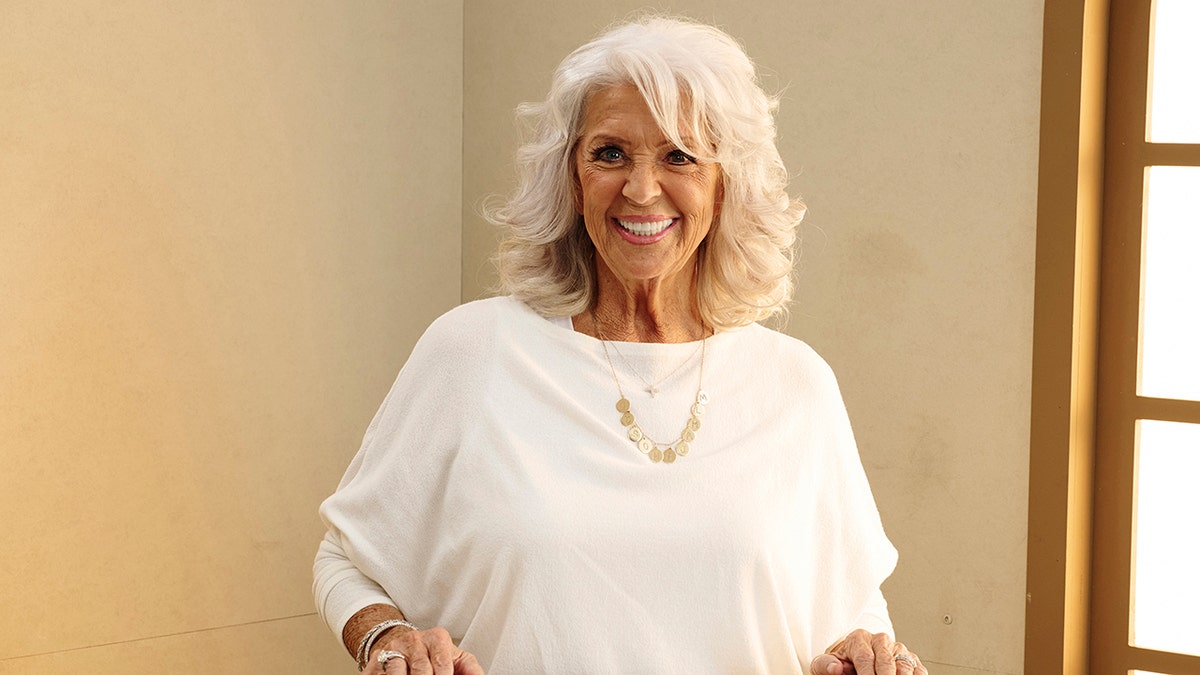
Paula Deen was held up at gunpoint at a bank she was working at in 1987. (Celene Tang/Deadline via Getty Images)
Celebrity chef Paula Deen says one of the most terrifying moments of her life happened long before she became famous, when she was working at a bank in Georgia in 1987 and found herself staring down the barrel of a gun during a robbery.
In an interview with Fox News Digital, Deen recalled that she was working as the head teller at Albany First Federal in Albany, Georgia. At the time, she was preparing to leave the job because her husband had been offered an opportunity in Savannah. However, her supervisor asked if she could help out for a single day at another branch where only one relatively new employee was working.
When Deen arrived at the branch and saw the situation, she immediately felt uneasy. She remembered telling the other employee that the setup looked like the perfect target for a robbery. The coworker brushed off the concern, but Deen’s fears proved correct later that afternoon.
Around 4 p.m., a masked man rushed into the bank carrying a gun. Deen said the robber ignored her coworker and headed directly toward her. He pressed the weapon against her head while shaking uncontrollably. She feared he might pull the trigger accidentally because he appeared so nervous.
Deen and the other employee handed over the money, and the man quickly fled the bank. As soon as he left and the doors were secured, Deen collapsed. She said she truly believed that day would be her last.
Looking back, Deen reflected on the difficult period of her life at the time. Her father had died at the age of 40, and her mother died just a few years later at 44. Because of that, she had long believed she might also die young and once assumed she would not live past 40. Now 79, she said the robbery remains one of the most frightening experiences she has ever endured.
Her only focus during the robbery, she explained, was to cooperate completely and make sure everyone survived. She said people sometimes claim they would react bravely in those situations, but the reality is very different when a gun is pointed at you.
After Deen later moved to Savannah, the president of the bank contacted her with an unexpected detail about the robber. He told her the man had been a customer she previously helped at the main branch. At one point, Deen had approved a $500 overdraft protection loan for him. Reflecting on that information, she believes that if the robber had realized she was working at that branch that day, he might not have carried out the crime.
Despite the trauma of the incident, Deen said she eventually developed a sense of sympathy for the man. While he was in custody after the robbery, he told reporters to leave her alone and expressed regret for frightening her. Deen said that apology left a lasting impression and softened her feelings toward him. She noted that the man was recently found dead in his New York City apartment.
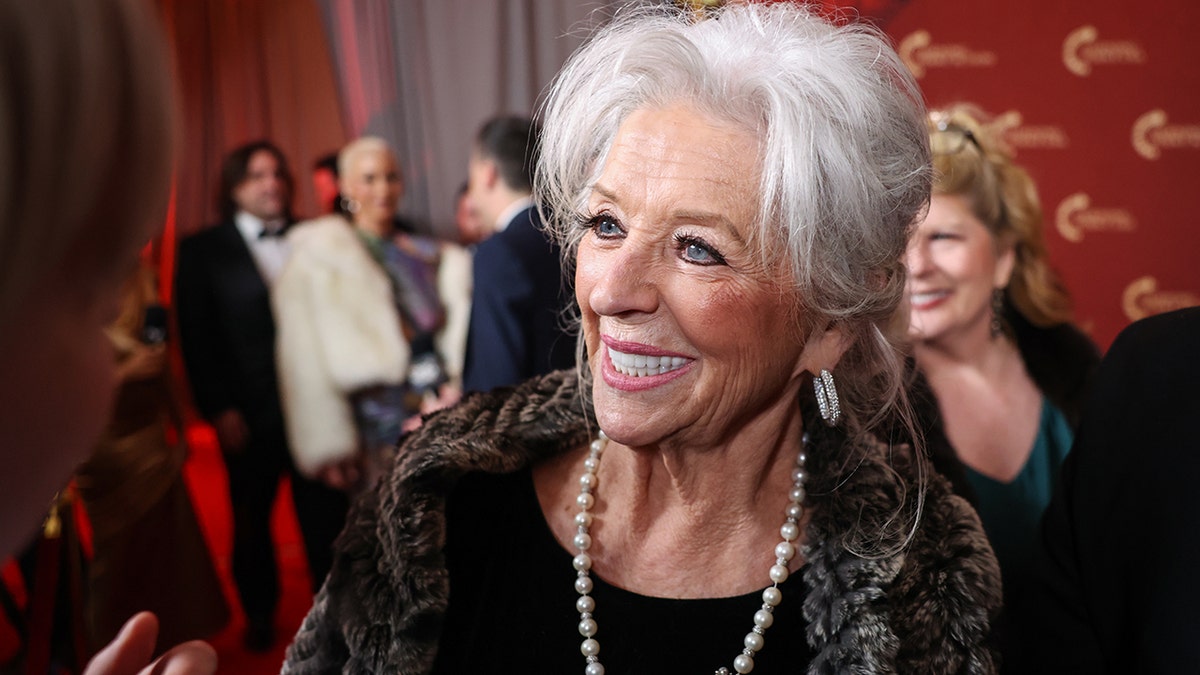
Deen also spoke about her long struggle with agoraphobia, which began when she was young and left her fearful of many everyday situations. She said fear controlled much of her life for years, but facing difficult experiences eventually helped her grow stronger. Over time, she has tried to help others who struggle with similar fears.
The robbery resurfaced publicly years later during a 2013 deposition tied to a workplace discrimination lawsuit in which Deen acknowledged using a racial slur in the past. She said she regrets how that situation unfolded and blamed poor legal representation during her testimony, saying her attorney advised her simply to tell the truth but offered little guidance during questioning.
Deen has since said the backlash from that controversy felt devastating and described it as being “canceled” before that term became widely used. While the experience was painful, she said it also brought unexpected support from people across the country. Many individuals she had never met sent messages of encouragement online, and some even shared their phone numbers so she could call and speak with them directly.
According to Deen, the overwhelming message she received from supporters was that they believed they knew her character and did not see her as a racist.
More recently, Deen filmed a documentary about her life titled “Canceled: The Paula Deen Story.” She said the film received strong reactions from audiences and was voted a favorite at the Miami Film Festival while also receiving a positive reception at the Toronto Film Festival.
About Post Author


