At Fire Stations, ‘Jarring’ Alarms Are Fading Away

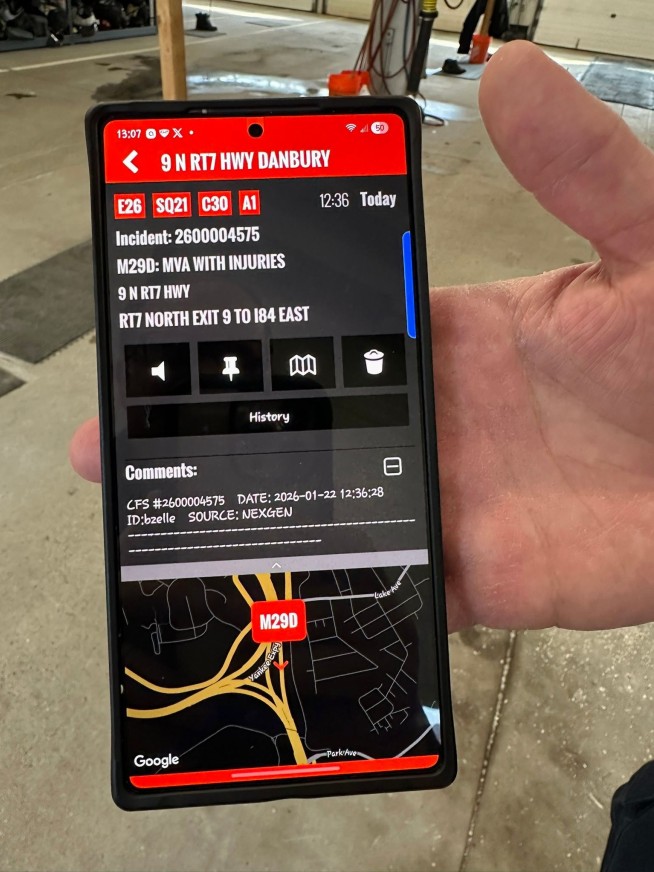
The Danbury Fire Department's new Phoenix G2 alerting system receives a call, Jan. 22, 2026, at the station in Danbury, Conn. (AP Photo/Dave Collins)
Until recently, a call coming into the Danbury Fire Department meant alarms and tones blasting at full volume—startling firefighters before they even left the station for emergencies that could quickly raise their heart rates even more. Capt. Kevin Lunnie said the sudden noise could feel overwhelming. He noticed his heart rate jump when the alerts sounded, which is concerning in a profession where heart problems are the leading cause of on-duty deaths, according to the Associated Press.
Now the city is taking a calmer approach. A new system launched in September starts alarms at a lower volume and gradually increases the sound. At the same time, a computerized voice calmly announces key details about the emergency so firefighters can prepare before responding.
“It’s much easier on your nervous system,” Lunnie said.
Danbury, a city of about 87,000 residents in southwestern Connecticut, has installed the new alert system in its five fire stations. It joins thousands of departments across the United States and around the world adopting similar systems designed to reduce stress and improve response times.
Firefighters say the new alerts are both calmer and easier to understand than the previous system. The older setup began with loud single tones followed by a mix of longer alarms, creating what many described as a confusing burst of noise. Dispatchers would then relay information over station speakers, which firefighters said could be filled with static and difficult to understand.
“Most people found it very jarring,” Lunnie said.
The updated system is integrated with the department’s computer-aided dispatch network. When dispatchers log details from an emergency call, the system automatically alerts fire stations and units faster than staff could manually. It also sends the call information directly to firefighters’ phones and smartwatches.
Danbury Assistant Fire Chief William Lounsbury said the change has led to quicker response times.
Supporters of the quieter alert system also point to a decade-old study showing that immediately loud alarms increased firefighters’ heart rates by a median of seven beats per minute. Systems that gradually increased the volume raised heart rates by a median of five beats per minute.
According to the National Fire Protection Association, 20 of the 51 on-duty firefighter deaths in the United States in 2024 were caused by sudden cardiac death, making it the leading cause of fatalities in the profession.
Last year, the NFPA issued new standards for fire station alert systems recommending alarms that start at lower volumes and calm computerized voice announcements, citing the need to reduce stress. The International Association of Fire Fighters, a union representing more than 360,000 firefighters and paramedics in the United States and Canada, also supports progressive-volume alert systems, though it is pushing for clearer design standards.
About Post Author