Shadow fleet under fire: Iran’s strait shutdown could squeeze Russia’s war chest, China’s oil lifeline

Iran’s escalating strike campaign is threatening to disrupt shadow shipping networks and sanctions-evasion routes, potentially driving up energy costs for Moscow and Beijing while squeezing Russia’s war funding and China’s industrial and military supply chains.
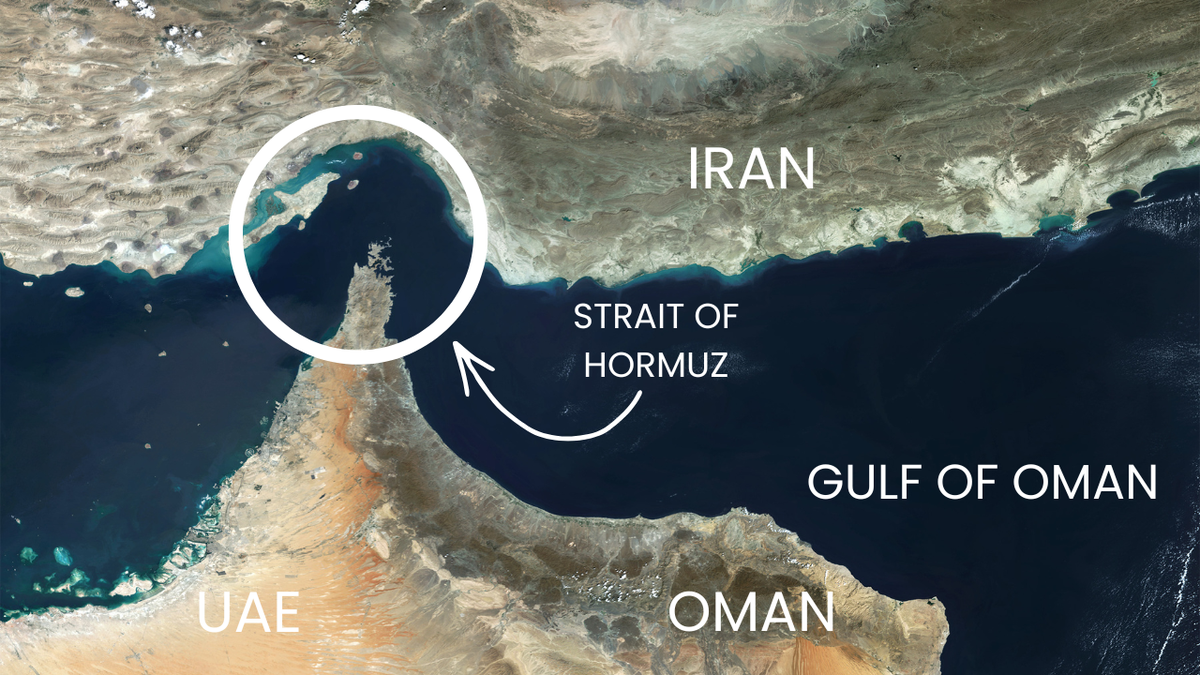
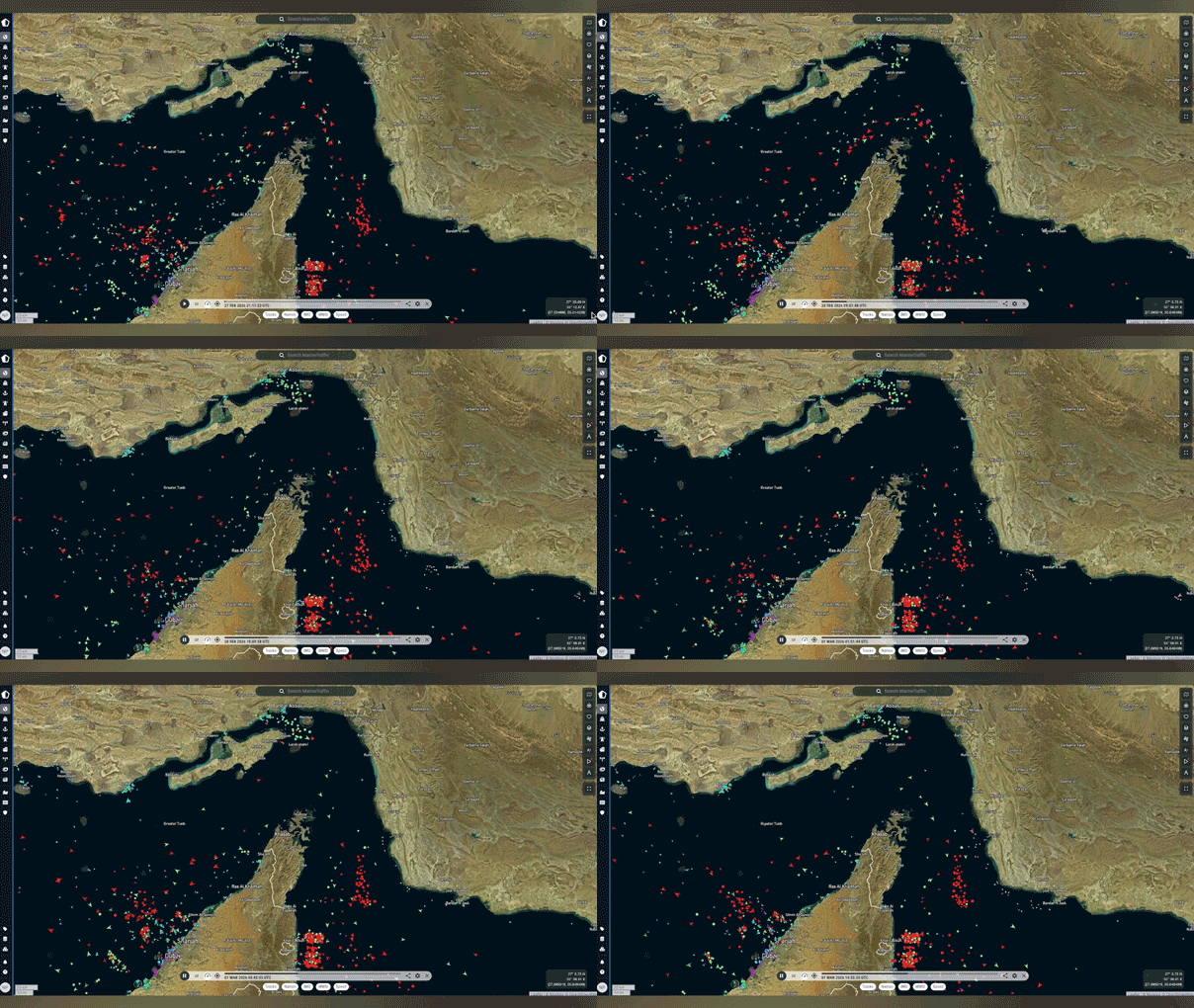
As of Monday, Iran declared the critical Strait of Hormuz — located between Hormuz Island in Iran and the Omani enclave of Khasab — effectively closed, warning that vessels entering the waterway could be “torched.”
Oil tanker traffic immediately dropped as merchant crews grew concerned about potential missile attacks. The crisis has also disrupted the so-called “shadow fleet,” a network of unflagged or deceptively flagged oil tankers tied to economically isolated nations such as Cuba, Iran, and Russia.
The United States has already established a quasi-naval quarantine on oil shipments headed to Cuba, while countries including Mexico have been warned against exporting oil to hostile regimes.
European allies have also stepped up enforcement actions against shadow-fleet vessels, tightening pressure on China and especially Russia amid the growing instability.
On Monday, Belgium’s military intercepted a shadow-fleet tanker known as the MT Ethera as it traveled through the North Sea.
Belgian Defense Minister Theo Francken told GCaptain News that the tanker was redirected to Zeebrugge under escort and would be seized by authorities.
“Operation Blue Intruder was carried out by a team of exceptionally brave service members. Excellent work,” Francken said. The outlet also reported the ship was connected to an associate of Iran’s Supreme Leader.
The MT Ethera is reportedly linked to the son of senior political adviser Ali Shamkhani. According to reports, the Shamkhani family controls a network of tankers suspected of facilitating Iranian and Russian oil trade.
Meanwhile, a coalition of Western nations continues to enforce the Ural Price Cap, which was reduced to about $44 per barrel last month. Named after the Ural Mountains, the cap is intended to keep Russian oil prices below global market levels.
The increased targeting of shadow-fleet oil shipments could create serious problems for countries that rely heavily on those supplies, including China and Cuba.
China reportedly depends significantly on sanctioned Iranian oil, while Russia could face further financial strain that may reduce the funding available for its war effort in Ukraine.
At the same time, U.S. Central Command (CENTCOM) released video this week showing a strike against an Iranian drone-carrying vessel. According to Naval Today, Commander Brad Cooper said more than 30 Tehran-linked ships have been destroyed since the campaign began.
“In the last few hours alone, we struck an Iranian drone carrier roughly the size of a World War II-era aircraft carrier, and it is currently on fire,” Cooper said.
According to President Donald Trump, the reported elimination of Iran’s supreme leader and dozens of potential successors — along with the arrest of Venezuelan dictator Nicolás Maduro — has thrown both the shadow fleet and its supply network into turmoil.
Just as production increases by OPEC can influence U.S. fuel prices, the dismantling of the shadow fleet could also contribute to rising energy costs in countries such as China.
Fox News Digital contacted the Treasury Department for additional information about the impact of shadow-fleet operations. The department oversees the Office of Foreign Assets Control (OFAC).
In recent weeks, OFAC has sanctioned 30 individuals and entities accused of facilitating illegal Iranian oil sales or supporting Iran’s weapons programs as part of President Trump’s “maximum pressure” strategy.
“OFAC targeted additional vessels operating as part of Iran’s shadow fleet, which transport Iranian petroleum and petroleum products to foreign markets and serve as the regime’s primary source of revenue for financing domestic repression, terrorist proxies, and weapons programs,” the agency said.
Treasury Secretary Scott Bessent added that Iran continues to exploit international financial systems to sell illicit oil, launder profits, procure components for weapons programs, and support terrorist proxy groups.
“Treasury will continue to apply maximum pressure on Iran by targeting the regime’s weapons capabilities and its support for terrorism,” Bessent said.
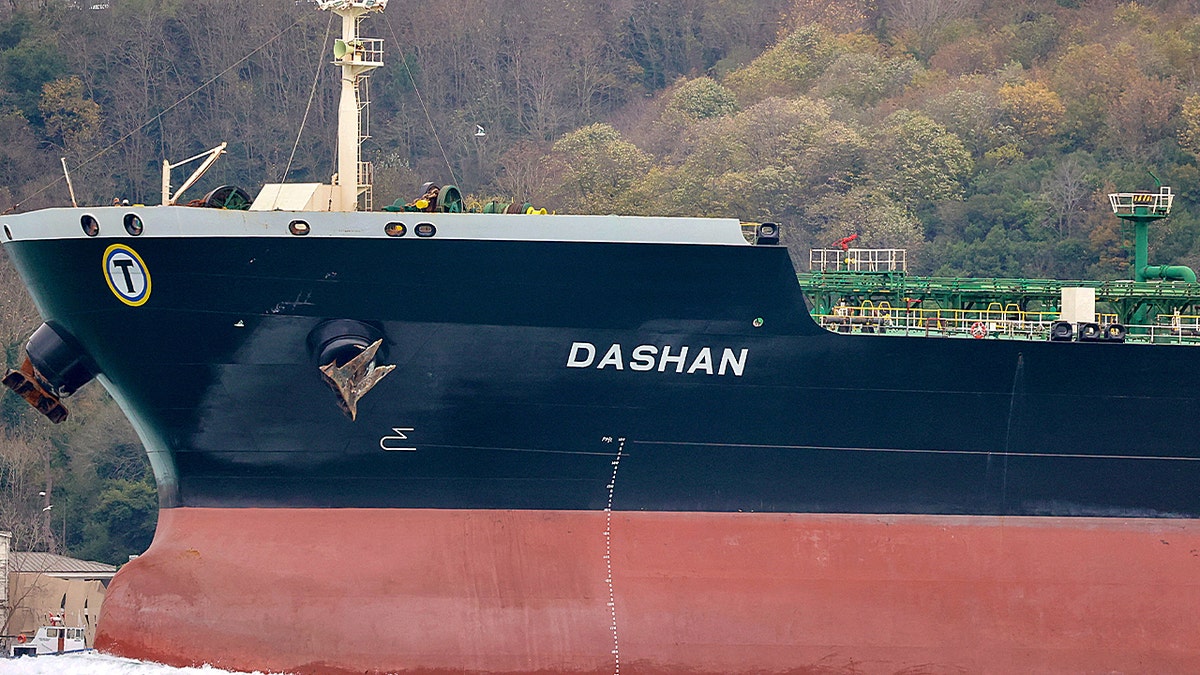
OFAC also identified more than a dozen ships believed to be part of Iran’s shadow fleet.
“Instead of using this revenue for the benefit of the Iranian people, the regime diverts it to fund regional terrorist proxies, weapons programs, and repressive security services,” the Treasury Department said.
U.S. investigators determined that vessels flagged in Panama, Barbados, Palau, Comoros, Iran, and Vanuatu have transported millions of barrels of Iranian crude oil in recent years.
The Treasury Department did not respond to additional inquiries for comment.
About Post Author


