FBI Warns of Romance Scams Ahead of Valentine’s Day
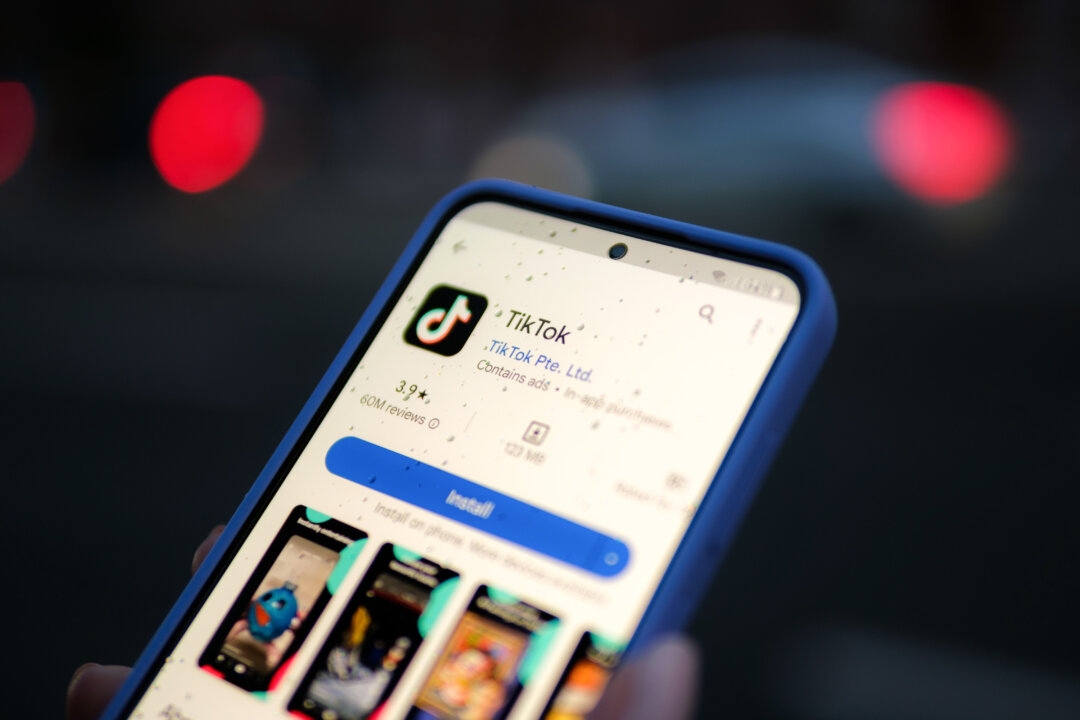
A woman holds a phone displaying the TikTok app, in this file photo taken on Aug. 11, 2024. Oleksii Pydsosonnii/The Epoch Times
Posted For: stormykitteh
With Valentine’s Day approaching, the Federal Bureau of Investigation is urging people who use dating apps and social media to stay alert for romance scams that prey on hopeful hearts.
In a Feb. 11 alert, the agency cautioned that scammers are highly skilled at presenting themselves as sincere, compassionate, and trustworthy. These fraudsters operate across many dating platforms and social networks, carefully building emotional connections with targets in a short amount of time to gain their confidence.
According to the FBI, scammers often escalate the relationship quickly—sometimes even talking about marriage or plans to meet face-to-face. Those plans, however, never materialize. Instead, the requests for money begin.
Many of these criminals claim to work in construction or related fields and say they are stationed outside the United States. This story line helps them explain why they cannot meet in person and makes it seem believable when they ask for financial help for emergencies, legal troubles, or travel costs.
The FBI warns that anyone asking for bank details or requesting money transfers after an online introduction is likely attempting fraud or theft.
In a cautionary example shared on the FBI’s YouTube channel, an 81-year-old woman named Glenda described how she became entangled in such a scheme. She said she met a man online in 2014 who claimed to be working in Nigeria and needed funds to leave the country. He mailed her electronics to pawn so she could send him cash. Over time, she said, she developed feelings for him and unknowingly became what authorities call a “money mule.”
By 2021, Glenda had pleaded guilty to two federal felony charges connected to the scam.
Advocacy group AARP notes that romance scams have grown into a significant financial threat. Data from the Federal Trade Commission shows reported losses reached $1.12 billion in 2023, with a median loss of $2,000 per victim—making romance scams the most costly type of imposter fraud.
An FTC survey identified several common stories scammers use, including claims that they or a loved one are sick or jailed, promises to teach victims how to invest, statements that they are in the military or working far away, and sudden talk of marriage despite never meeting in person. Other ploys include tales of unexpected riches, requests tied to deliveries, working on oil rigs or ships, and attempts to gain access to private photos.
To protect themselves, the FBI encourages people to reverse-search profile photos and names to see if they appear elsewhere online. The agency also recommends asking detailed questions, remaining cautious, and never sending money to someone you have not met in person.
About Post Author


