20 Years Ago Today, The Clinton ‘Assault Weapons’ Ban Was No More

Posted For: Rotorblade
A two year old article…but I found it to be a good history lesson on the 1994 AWB and what happened afterwards.
The early 1990s were a challenging period for American gun owners. Gun control advocates, backed by powerful political figures, pushed sweeping restrictions that seemed unstoppable. Politicians like Bill Clinton, Nancy Pelosi, and Dianne Feinstein celebrated every legislative victory, thinking they were chipping away at everyday Americans’ ability to own firearms. But as with any storm, the darkest moment often precedes a turning point.
Rather than being defeated, gun owners across the country mobilized. The attempts to restrict firearms inadvertently sparked a surge in interest and ownership. Ironically, efforts to take certain guns off the market made people want them even more.
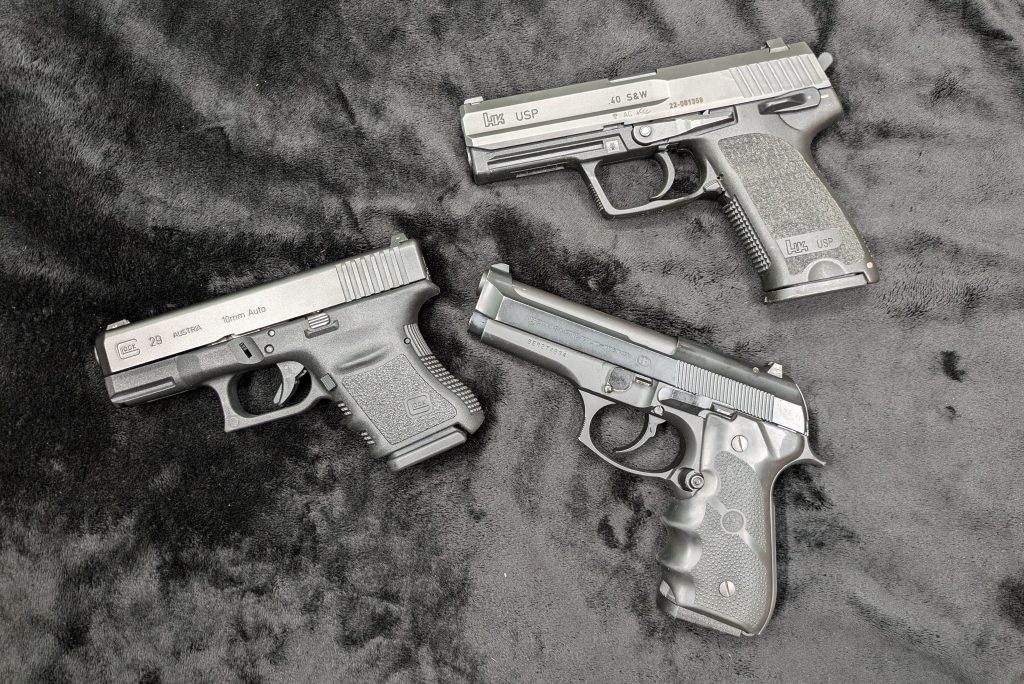
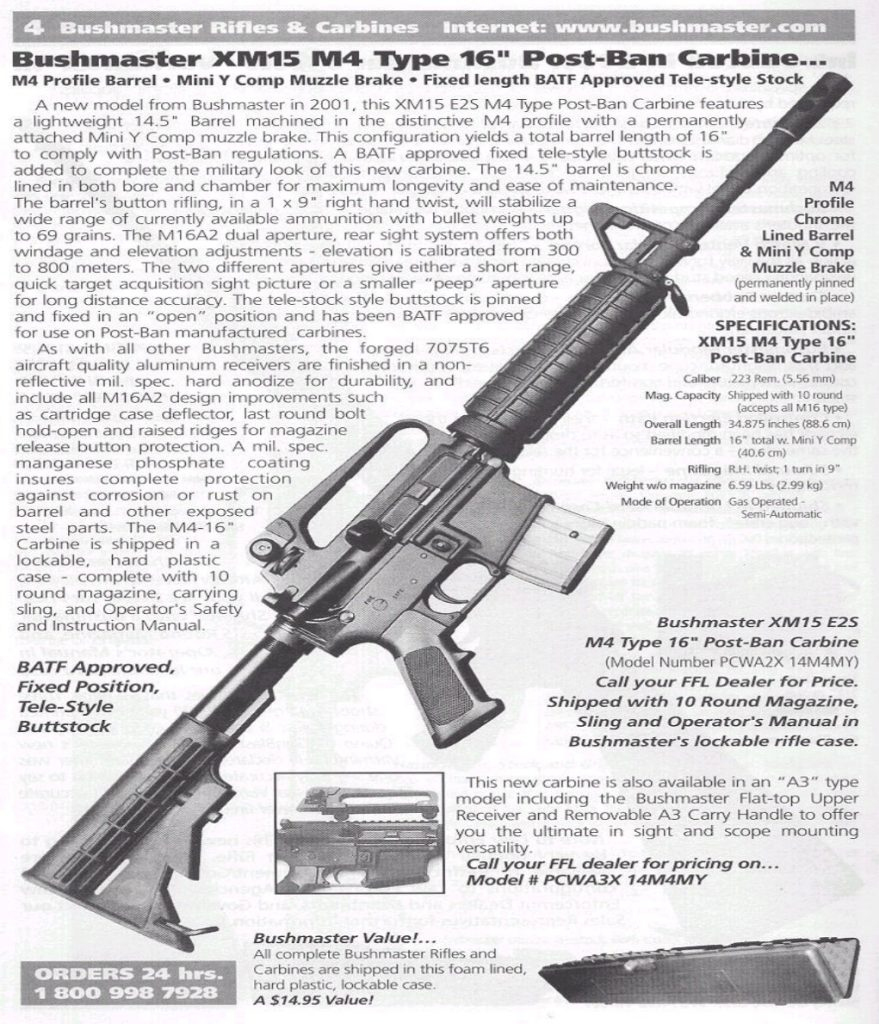
Manufacturers adapted by producing rifles that technically complied with the new law, but the very features that had been banned—the ones the government called “dangerous”—became even more desirable. Pistols underwent similar innovation: limited to 10 rounds, guns became smaller, more concealable, and in some cases, even more powerful. Anti-gun activists panicked, as highlighted in a 2000 Chicago Tribune article warning about so-called “pocket rockets”—compact handguns with surprising firepower.
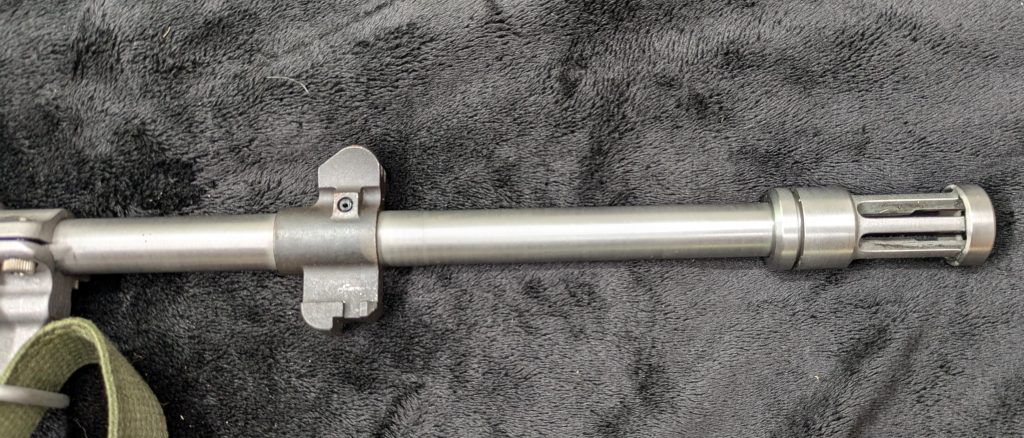
Congressman Rod Blagojevich (D-Ill.) attempted to ban these tiny but potent pistols, arguing they had no sporting purpose and were designed purely to kill. Yet the firearms gained popularity among consumers, particularly as state laws began allowing licensed concealed carry. Small, high-caliber pistols like the Glock 29 or compact Berettas became a staple, proving that the market often moves faster than legislation.
The federal ban also had unintended consequences for magazines. With a legal limit of 10 rounds, many Americans sought alternatives, shrinking or modifying existing firearms to maximize efficiency. Pre-ban magazines became highly coveted, with prices rising sharply. Families who purchased them in the 1990s, like Ruger 10/22 magazines, found their items almost irreplaceable.
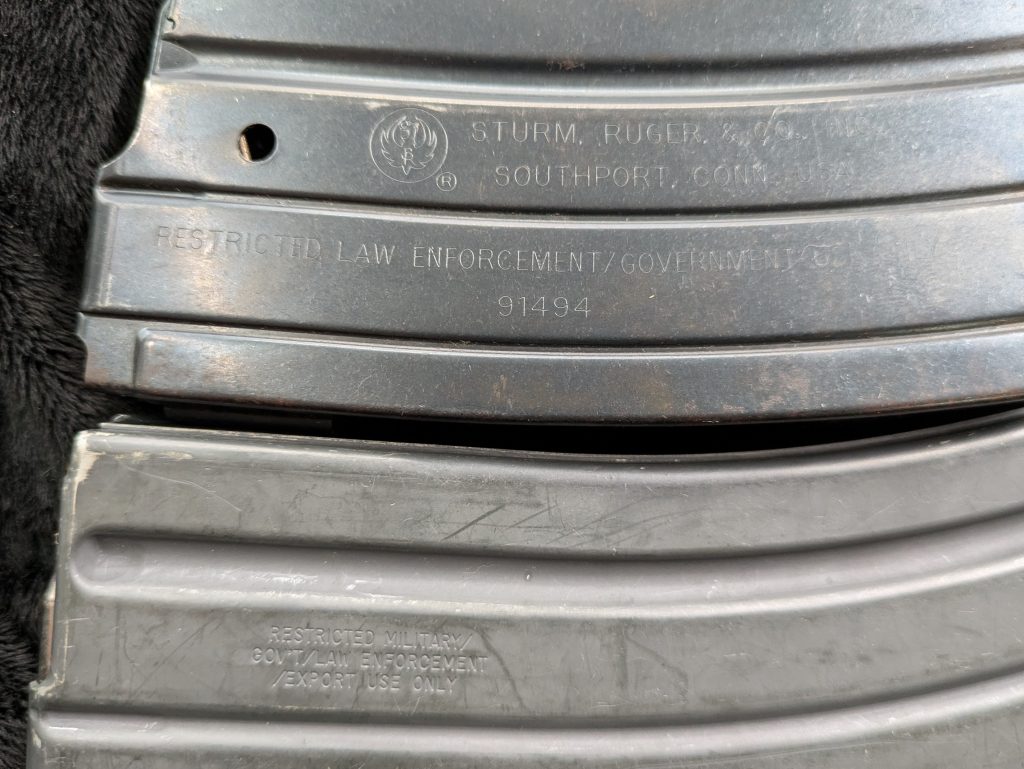
Still, savvy gun owners discovered legal workarounds. The ban allowed law enforcement and military personnel to purchase unrestricted firearms and magazines for duty use. With the right documentation, these legally obtained items could enter private hands. This loophole enabled many enthusiasts—including teenagers with supportive family members in uniform—to access high-capacity magazines that would otherwise have been unavailable. Pawnshops and surplus stores near military bases further circulated these “law enforcement only” magazines, sometimes at cost, sometimes with minor profiteering.

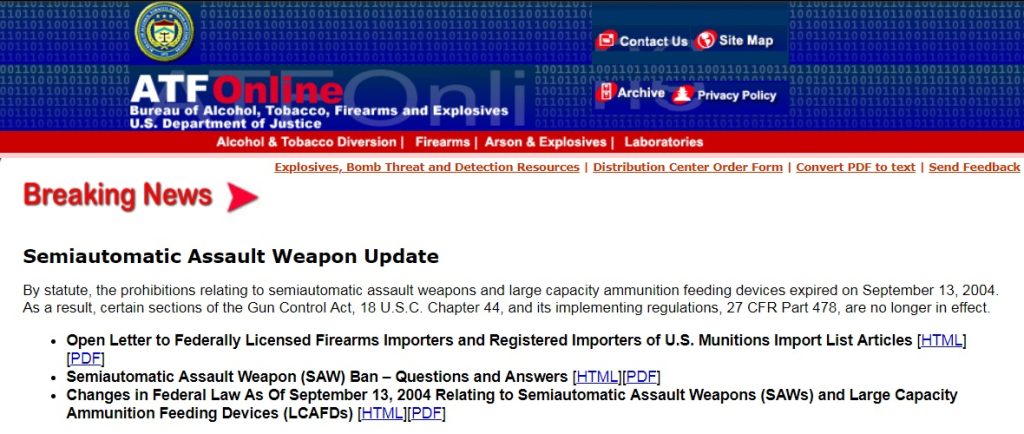
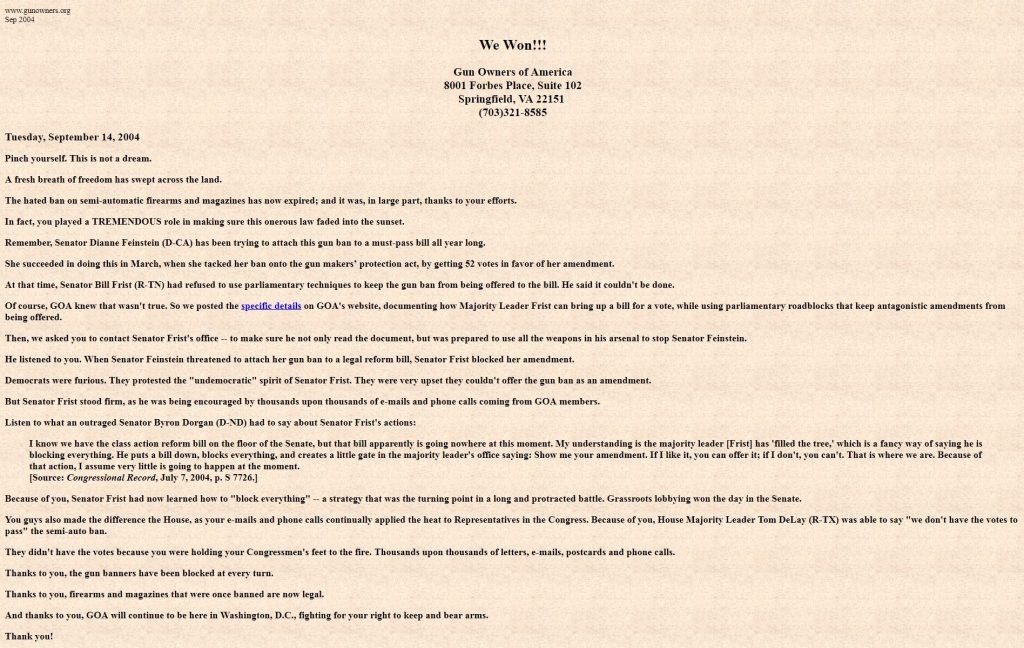
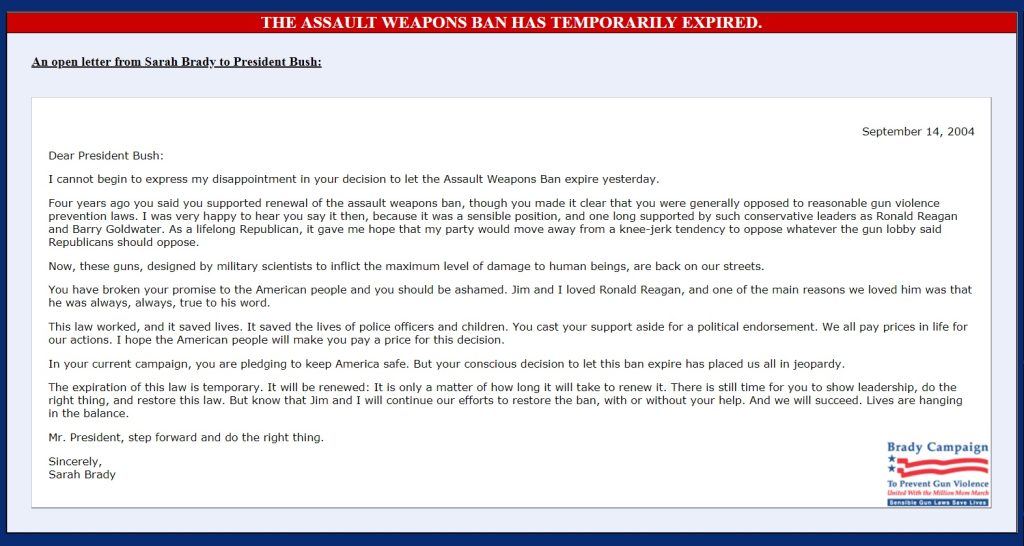
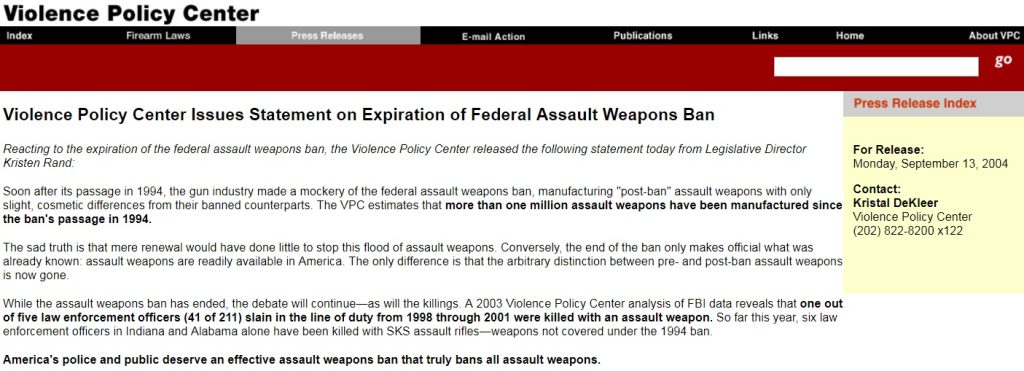
The decade-long ban was never a permanent fixture. It included a sunset clause, ensuring it would expire after ten years. Thanks to the persistence of gun rights organizations like Gun Owners of America and shifting political majorities, the ban was not renewed. By September 13, 2004, the restrictions were gone, unleashing a flood of once-forbidden accessories—magazines, flash hiders, collapsible stocks—and revitalizing both the market and the enthusiasm of the gun-owning public.

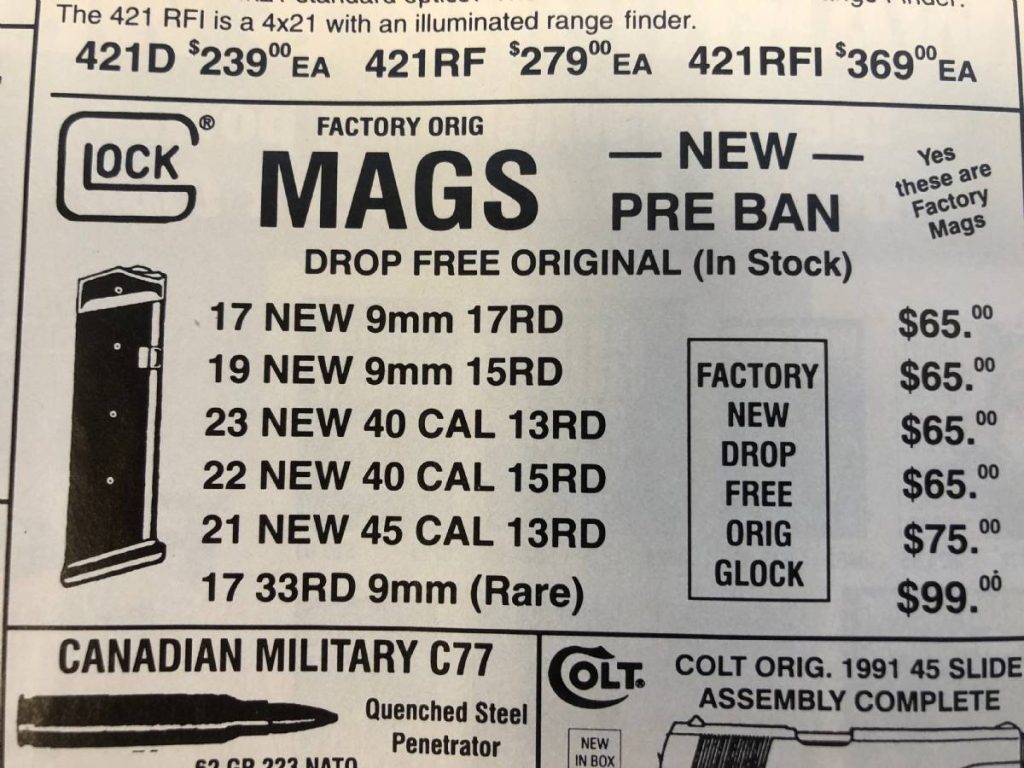

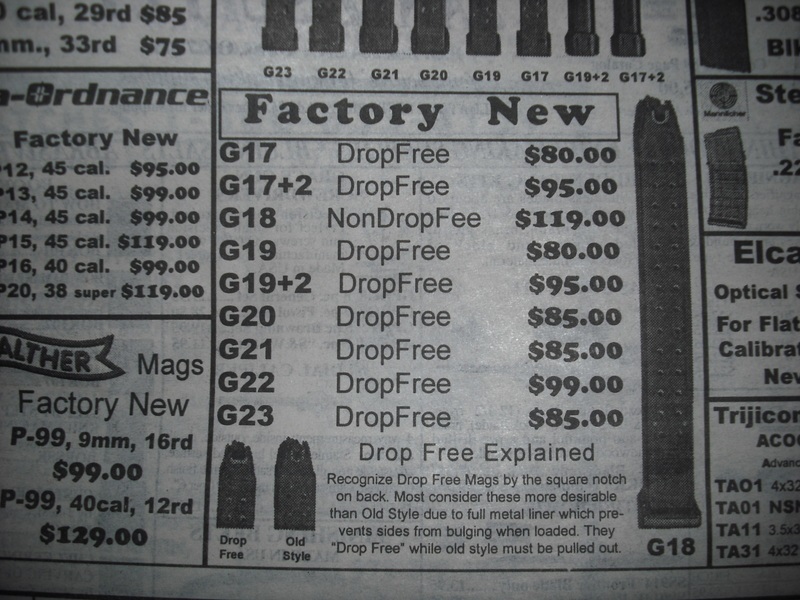
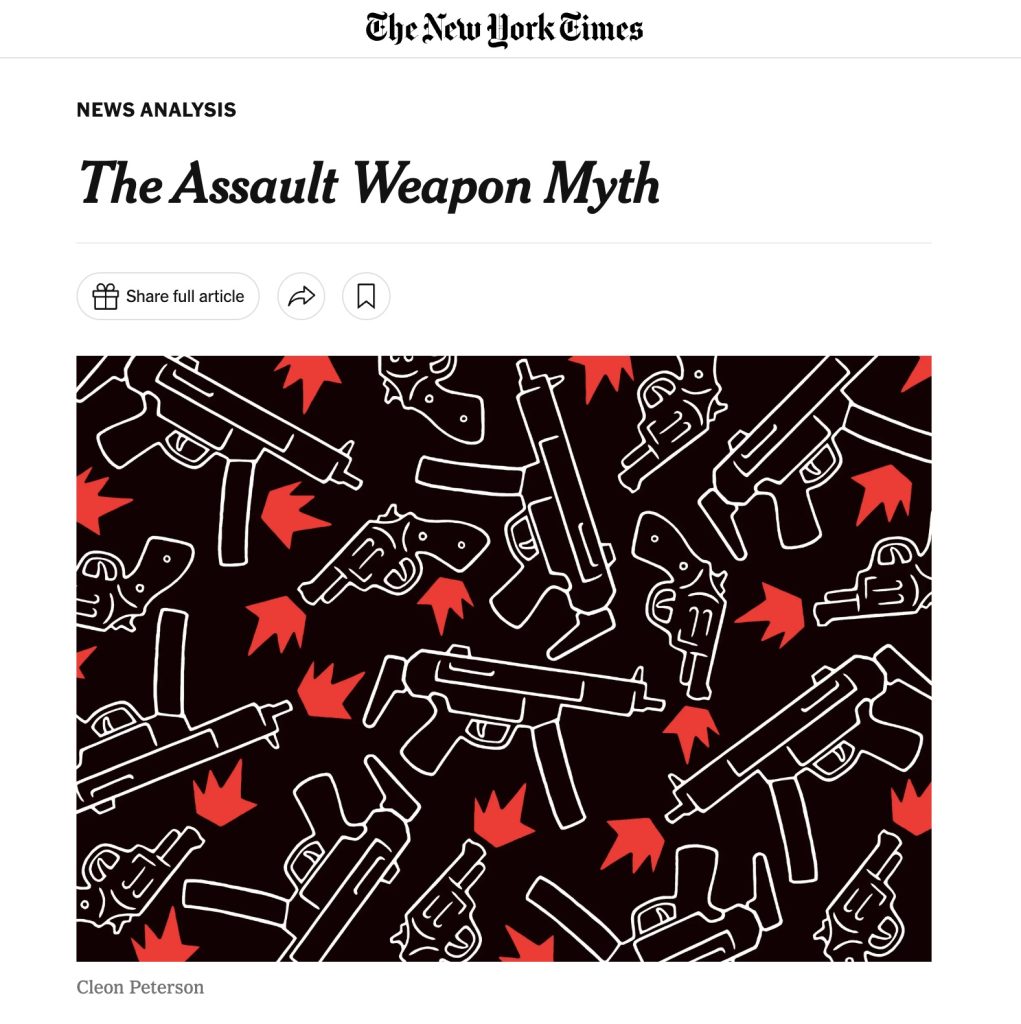
In hindsight, the ban’s impact on crime was minimal. Studies and even some journalists acknowledged that assault weapons bans did little to curb the majority of gun violence, which was overwhelmingly committed with handguns. Crime rates had already begun to decline before the law took effect, and continued to fall afterward.
The legacy of the ban shaped American gun culture in lasting ways. Interest in AR-15 style rifles skyrocketed, making them the country’s most popular rifles today, with roughly 25 million in circulation. It also influenced personal preferences, from magazine capacity to stocks, muzzle devices, and carry methods.



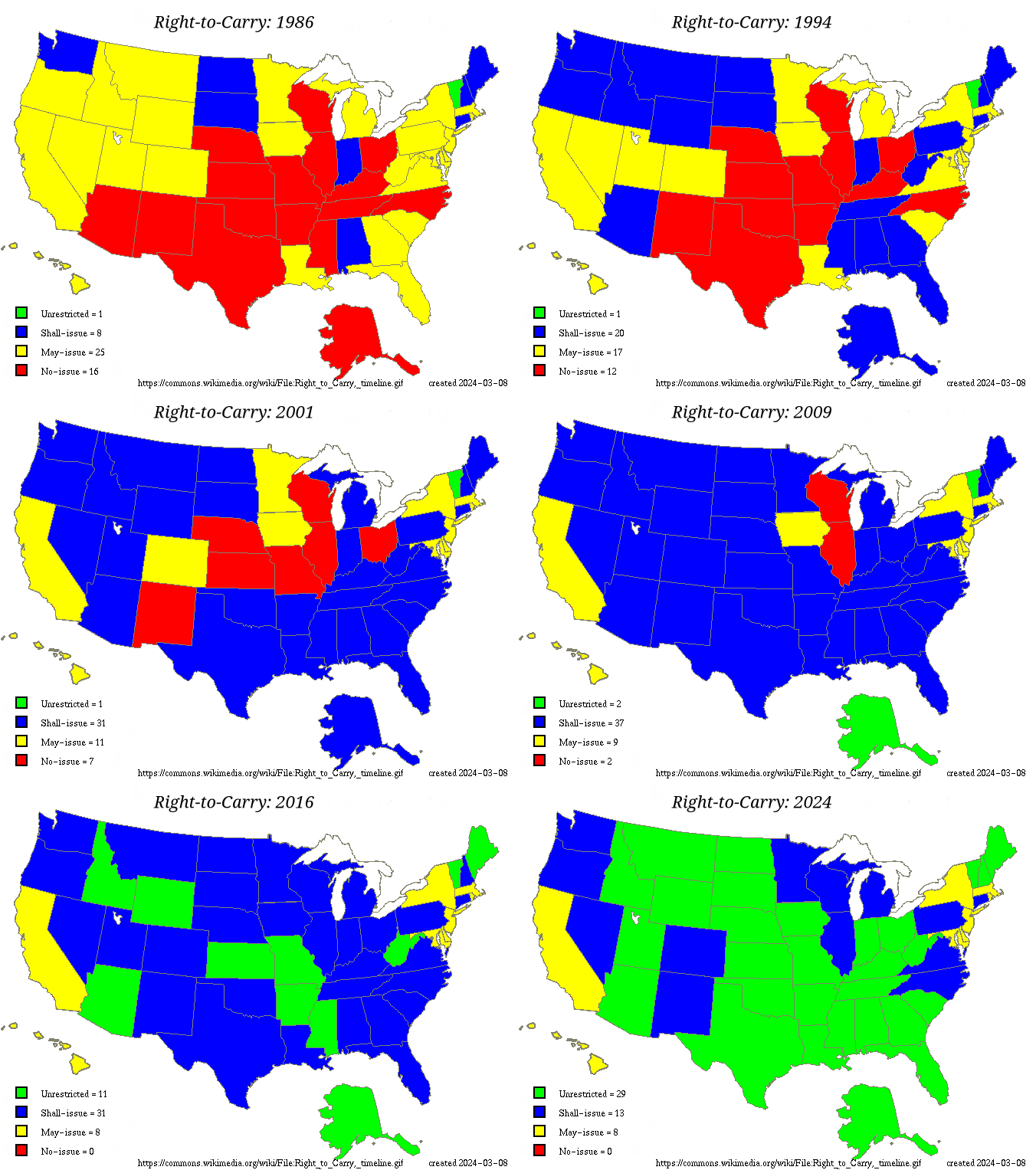
The key lesson: nothing motivates American gun owners more than restrictions imposed by the government. Despite continued attempts by what some call the Civilian Disarmament Industrial Complex, gun rights have grown stronger over the past decades. Concealed carry has expanded, with 29 states now allowing permitless carry, and the firearms market has innovated and thrived.




While the fight over the Second Amendment continues, history shows that efforts to suppress gun ownership often strengthen the resolve of law-abiding Americans rather than diminish it.
About Post Author


