For the Monkey Chasing Squad, It’s Like Herding Monkeys

Atsushi Kato, a leader of a squad municipally organized to chase off monkeys, watches monkeys walk away from him as he and other members were tracking and moving them back to the woods, in Azumino, central Japan, Thursday, Oct. 2, 2025. (AP Photo/Hiro Komae)
In the foothills of Japan’s Northern Alps, a unique pursuit is underway: humans chasing monkeys. Wearing bright orange vests, teams ring bells, blow whistles, and strike rocks and trees with walking sticks as they navigate through bamboo and brush. Using GPS trackers, they monitor the monkeys’ movements and radio teammates to coordinate captures. The group has an official name: the Monkey Chasing Squad. Their mission is to herd Japanese macaques back into the mountains, away from farms and residential areas, reports the AP.
While the financial damage caused by the monkeys is modest compared to losses from boar, deer, and crows, the animals have become a growing nuisance. They break into homes, steal food, and damage crops. Michael Johnson, a retired English professor living in Azumino since 2011, says monkeys have raided his house four times. One 2021 incident involving 12 macaques left him with a five-hour cleanup after they devoured eggs, bread, grains, fruit, and nearly everything else in sight. The Monkey Chasing Squad, made up of roughly 50 paid, part-time civil servants, has stepped in to manage the problem.
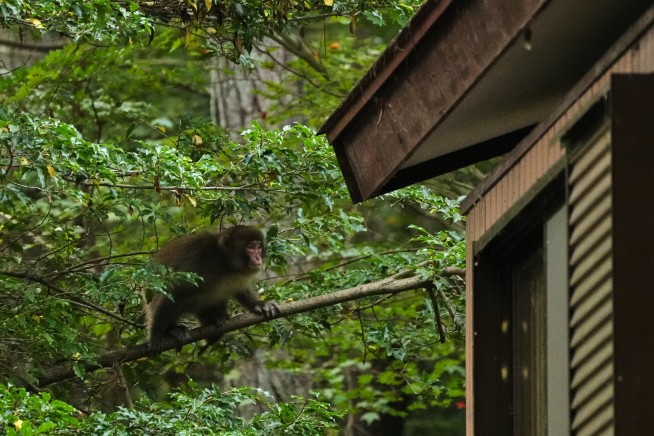
Before 2023, almost all macaques in Ariake, a district of Azumino, lived in the town itself, with only 1% residing in the nearby mountains, says Masaya Miyake, who relocated to Azumino five years ago and now leads the squad. Today, city records indicate the macaques spend about half their time in the hills, an improvement Miyake attributes to the squad’s efforts. “We’re just returning them to where they’re supposed to be,” he explains. “The food in the village is naturally more nutritious and tastier. They’re not simply being mischievous—they’re just coming down to eat.”
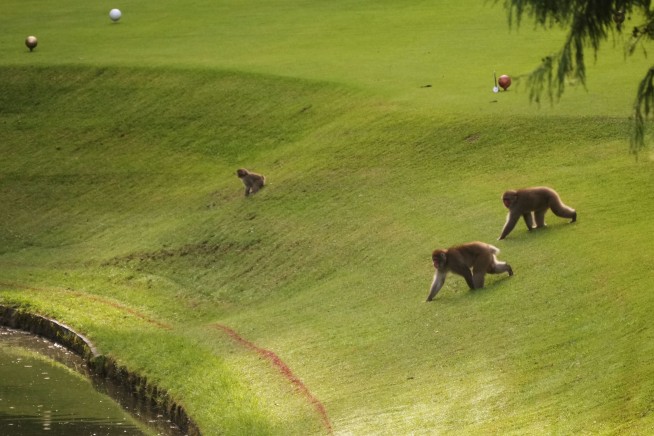
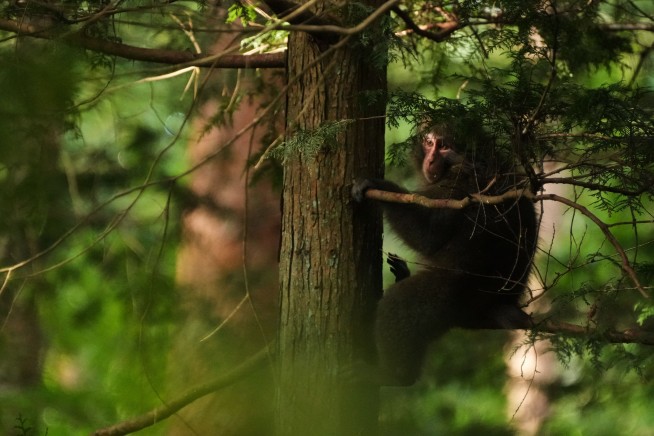
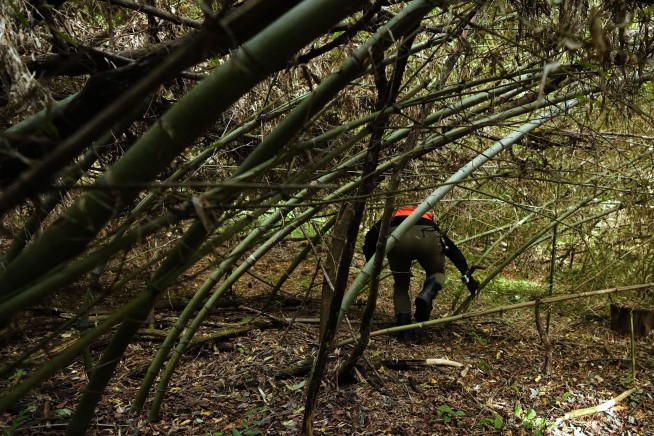
The squad patrols the hills year-round, but debate continues over the best way to manage the macaques. Calls for larger-scale culling are rising. “A quick, painless death by someone skilled is the last kindness we can offer,” says Azumino City Councilman Yoichi Tsujitani, who estimates it would take two to three years to fully remove macaques from areas near humans. Yet some ecologists warn that previous culling efforts may have worsened the problem. Shigeyuki Izumiyama, of Nagano’s Shinshu University, explains that when entire troops are removed, neighboring groups move in, and smaller troop sizes push surviving monkeys deeper into farmland.
About Post Author


