U.S. Sixth Circuit Court of Appeals RULES Schools CANNOT FORCE Students to Use “Preferred Pronouns”

“_6160500” by Terry Ross, CC BY-SA 2.0
The U.S. Sixth Circuit Court of Appeals has ruled that public schools cannot compel students to use “preferred pronouns.”
In the en banc decision in Defending Education v. Olentangy Local School District Board of Education, the court held that requiring students to use gender-identity pronouns violates the First Amendment’s Free Speech Clause. The ruling stated there is “no evidence that the use of biological pronouns would disrupt school functions or qualify as harassment under Ohio law.”
Judge Eric Murphy, writing for the majority, found that the Olentangy School District’s policy banning the use of “biological pronouns” was unconstitutional and constituted viewpoint discrimination.

“The school district may not skew this debate by forcing one side to change the way it conveys its message or by compelling it to express a different view,” Murphy wrote. “We thus reverse and remand for an appropriately tailored preliminary injunction barring the district from punishing students for the commonplace use of biological pronouns.”
The ruling overturns a lower court decision and issues a preliminary injunction preventing the district from punishing students who refer to classmates according to their biological sex. The lawsuit was brought by Defending Education, a national parental-rights organization formerly known as Parents Defending Education, representing families in the Olentangy Local School District near Columbus, Ohio.
According to the Associated Press, the organization first filed suit in 2023, arguing that the district’s policies requiring the use of peers’ “preferred pronouns” violated students’ rights under the First and Fourteenth Amendments. The district countered that the rules were intended to prevent bullying and discrimination.
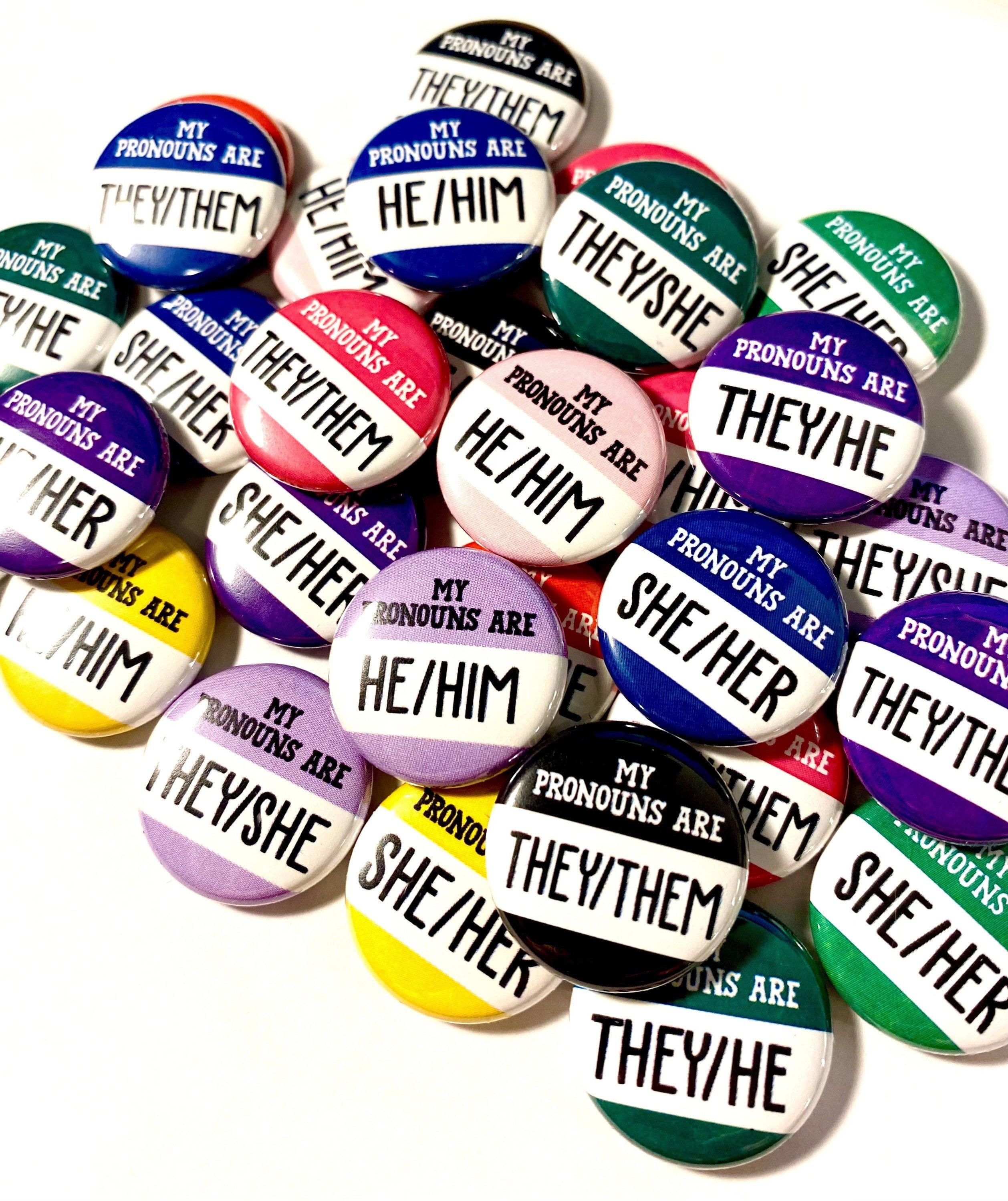
Parents in the case argued that their children were being silenced and forced to “affirm” gender ideologies that conflicted with their scientific, moral, and religious beliefs. The families—referred to as Parents A, B, C, and D—said their children feared punishment if they used pronouns consistent with biological sex rather than self-declared gender identity.
Legal experts say the ruling represents a major challenge to similar speech codes being implemented in schools nationwide. It reinforces the principle that students have the right to express themselves according to their conscience and that schools cannot enforce political or ideological conformity under the guise of “inclusivity.”
The court emphasized that schools remain able to enforce anti-harassment policies against genuine bullying but cannot redefine simple disagreement or differing beliefs as discrimination.
About Post Author


