America’s cattle chief rips into Trump’s Argentine beef bailout

President Donald Trump’s efforts to strengthen ties with Argentina are raising alarms among American farmers, who warn that increased engagement could threaten the domestic agricultural market.
The latest flashpoint came Sunday when Trump suggested the U.S. could import beef from Argentina to help lower prices for American consumers. Beef prices have surged roughly 12% over the past year. The proposal drew immediate criticism from U.S. cattle ranchers, who argue it could disrupt the market and introduce unnecessary risks to domestic supply.
“This plan only creates chaos at a critical time of the year for American cattle producers, while doing nothing to lower grocery store prices,” said National Cattlemen’s Beef Association CEO Colin Woodall on Monday. He also noted Argentina’s “deeply unbalanced trade relationship” with the U.S., exporting over $800 million in beef to America compared to just over $7 million in U.S. beef exports to Argentina. Woodall highlighted concerns about Argentina’s history with foot-and-mouth disease, a contagious virus that could devastate U.S. livestock.
Trump’s proposal comes amid broader efforts to deepen relations with Argentina and its president, Javier Milei, known for stabilizing the country’s economy while navigating corruption scandals. On Monday, Argentina’s central bank confirmed a $20 billion currency stabilization agreement with the U.S. Treasury Department.
“Argentina is fighting for its life,” Trump said Sunday. “Nothing is benefiting Argentina.”
Rural America Pushback
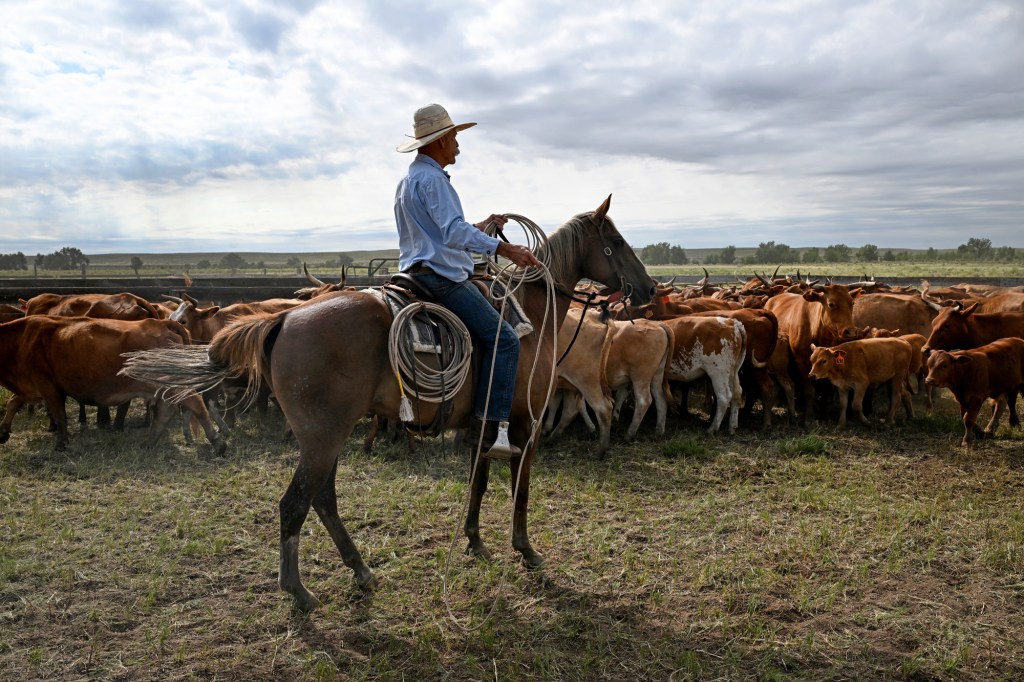
Farmers see Trump’s moves as particularly untimely. The U.S. cattle industry is still recovering from a difficult 2024, which saw the smallest herd since 1951 due to droughts and rising feed costs. Beef imports are also limited by a ban on Mexican cattle to prevent the spread of screwworm. Despite these challenges, cattle remain a cornerstone of U.S. agriculture, representing 22% of the $515 billion in 2024 commodity cash receipts, according to the USDA.
Cattle producers’ concerns echo those of soybean farmers, who have warned that Trump’s Argentina ties could undercut U.S. competitiveness. Last month, Argentina reduced several export taxes, including on soybeans, prompting China to resume purchases after halting U.S. imports since May.
“The frustration is overwhelming,” said American Soybean Association President Caleb Ragland. “The farm economy is suffering while our competitors supplant the United States in the biggest soybean import market in the world.”
Cattle Industry’s Needs
Unlike soybean farmers seeking new trade deals, cattle ranchers primarily want market stability. “They’re not asking for anything,” said Derrell Peel, an agribusiness professor at Oklahoma State University. “Basically, they just want everybody to get out of the market and let it do what it does.”
Cattle populations naturally expand and contract over roughly a decade-long cycle, Peel explained. Severe droughts have accelerated the current contraction, but the industry has historically relied on open markets to navigate these fluctuations. The USDA projects U.S. beef imports to peak at 4.4 billion pounds in 2025, while domestic production is expected to hit a low in 2027.
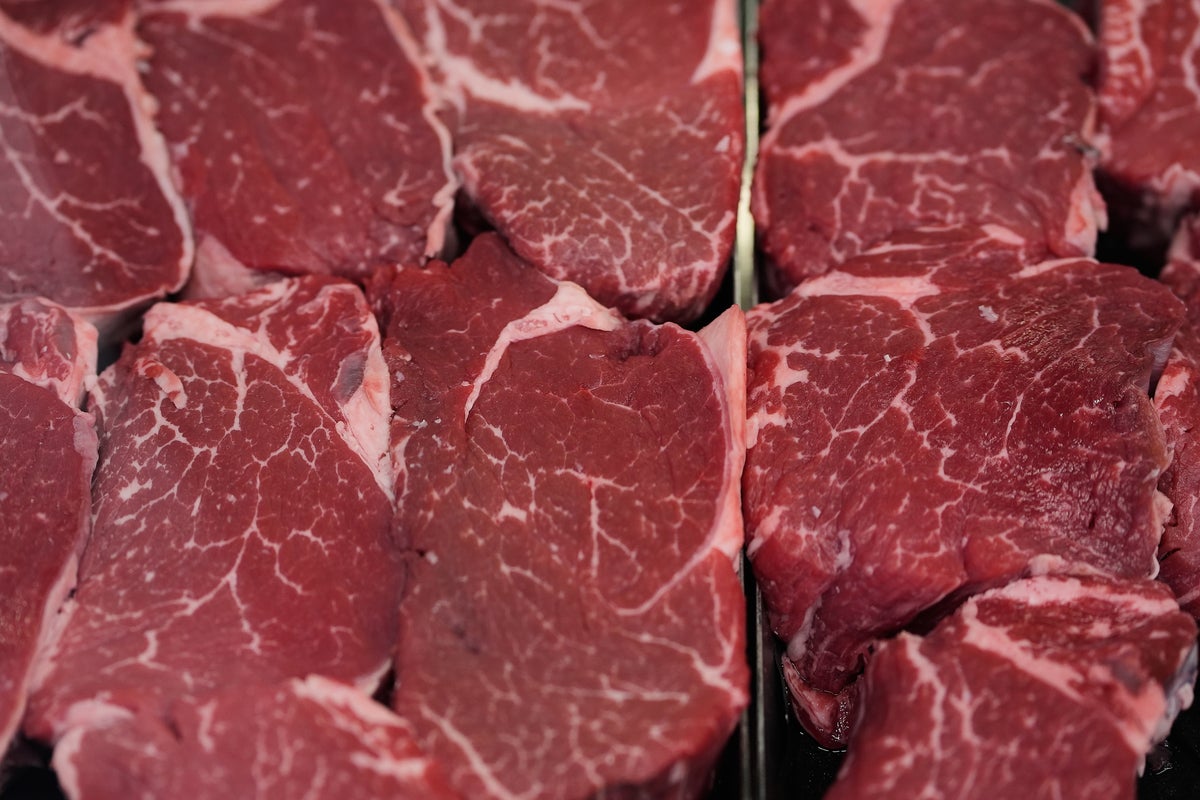
Peel added that Argentina accounts for only about 2% of U.S. beef imports, meaning relying on it would have minimal impact compared with larger exporters like Brazil and Australia.
High domestic beef prices have helped ranchers offset losses during the contraction period, but U.S. tariffs—such as the 40% tax on Brazilian beef—have further tightened supply. At the same time, China has largely stopped buying U.S. beef due to tariffs, eliminating the country as a major export market.
“We’re effectively out of that market now, largely,” Peel said. “So that’s an impact. It’s been kind of massive.”
About Post Author