‘Total Internet Blackout’ in Afghanistan
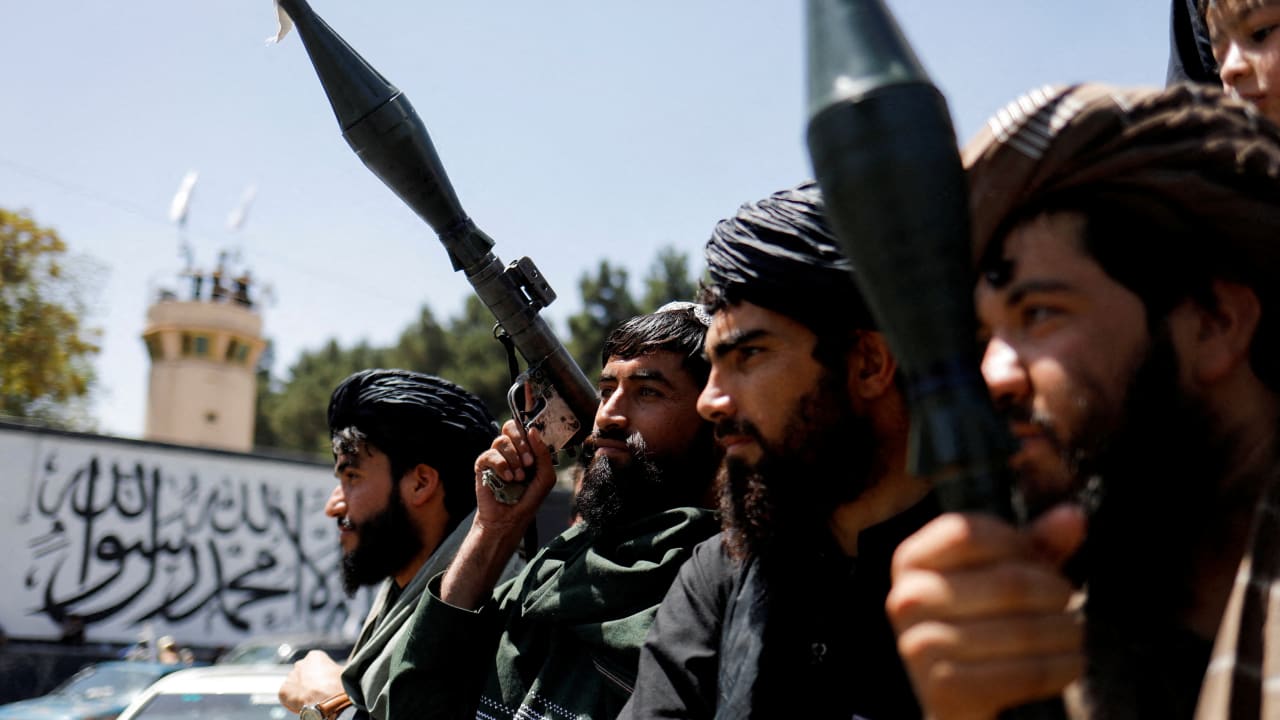
Taliban soldiers celebrate on the second anniversary of the fall of Kabul on a street near the US embassy in Kabul, Afghanistan, August 15, 2023. (photo credit: REUTERS/ALI KHARA)
Afghanistan has been cut off from the internet as the Taliban ordered a sweeping shutdown, deepening its crackdown on public freedoms and leaving millions without access to communication.
The watchdog group NetBlocks reported Monday that the country “is now in the midst of a total internet blackout as Taliban authorities move to implement morality measures, with multiple networks disconnected through the morning in a stepwise manner.” The group added that telephone services were also being disrupted, further isolating Afghans. Earlier in the day, connectivity had already fallen to just 14% of normal levels.
The blackout follows earlier regional restrictions on high-speed fiber-optic services. Though top Taliban leaders have not made an official statement, a local spokesperson in Balkh province told CBS News that supreme leader Haibatullah Akhundzada ordered the measure to “prevent immoral activities.” Afghan broadcaster TOLO reported that its programming had been interrupted and that cellphone services were shut down, though Taliban sources suggested a limited 2G signal could eventually return.
The shutdown comes amid a growing list of restrictions since the Taliban’s takeover in 2021, including severe limits on women’s rights, media freedom, and dissent. It also coincides with a period of worsening humanitarian crises, from shrinking international aid and waves of returning refugees to a devastating earthquake that killed thousands.
Analysts warn the blackout could cripple the country’s already fragile economy. Torek Farhadi, a former adviser to the IMF and World Bank, told CBS the move “closes off avenues for education and business, particularly for Afghanistan’s youth. It is a deliberate decision to lead society to a blind spot.”
For many women, the internet had provided one of the last lifelines for education and work. Radio Free Europe/Radio Liberty shared the story of Nazifa, a ninth grader banned from attending school in 2022. “After I was cut off from school, WiFi internet was a way for me to find myself again,” she said. “But when the WiFi was disconnected, I lost all hope. I had passed the exams and worked very hard.”
Maryam, who supported her family as an online translator in Mazar-i-Sharif, echoed the despair. “I’m the breadwinner of my family,” she said, but with the internet gone, her livelihood has disappeared overnight.
About Post Author


