Scrolling on your phone on the toilet raises health risk no one wants to talk about

The habit was especially common among people in their 40s and 50s, the researchers found. (iStock)
Bringing your smartphone into the bathroom could significantly increase your risk of developing hemorrhoids, according to a new study from Beth Israel Deaconess Medical Center in Boston.
Researchers found that adults who used their phones while on the toilet had a 46% higher risk of hemorrhoids compared to those who didn’t. The study, published this week in PLOS One, surveyed 125 adults undergoing colonoscopies and analyzed their bathroom habits.
Key findings:
-
66% of participants said they used their phones while on the toilet.
-
Phone users were 46% more likely to have hemorrhoids — regardless of age, weight, sex, fiber intake, or exercise.
-
37% of phone users sat on the toilet for over five minutes, compared to just 7% of non-users.
Hemorrhoids — swollen veins in or around the rectum and anus — are often caused by straining and prolonged sitting during bowel movements. Using a smartphone tends to increase the time spent on the toilet, leading to more pressure on these veins.
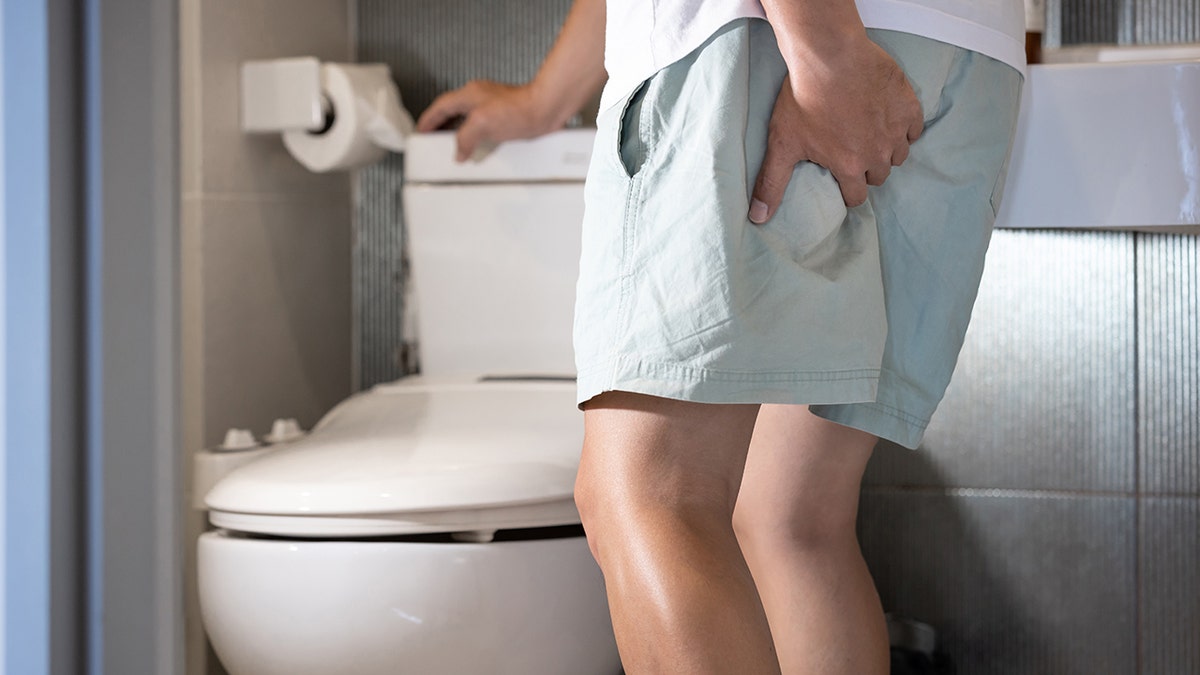
“Younger adults, especially those in their 40s and 50s, were more likely to scroll in the bathroom,” said Dr. Chethan Ramprasad, the study’s lead author and a gastroenterologist at BIDMC and Harvard Medical School. Common activities included reading news, checking emails, or browsing social media.
Even after accounting for other risk factors like straining or diet, the link between phone use and hemorrhoids held up. Researchers suggest that the passive nature of smartphone use encourages longer toilet sessions, which may increase pressure on the rectal area. Toilets also offer less support for the pelvic floor than regular chairs, compounding the issue.
Ramprasad added that while toilet stools like the Squatty Potty can help reduce straining, they don’t eliminate the risks associated with extended sitting. “If you’re on your phone for 10 minutes, you’re still putting pressure on those veins,” he said.
Hemorrhoids are one of the most common gastrointestinal issues in the U.S., sending nearly 4 million people to doctors and emergency rooms annually, according to BIDMC.
The researchers called for further long-term studies to confirm these findings and develop prevention strategies. For now, Ramprasad has a simple piece of advice: “Do what you need to do, then stand up and move on. Don’t turn the bathroom into a scrolling break.”
About Post Author


