Where Have All the Butterflies Gone? Helping Butterflies Return to Our Backyards

Bringing Back the Butterflies: Creating a Garden That Invites Them Home
Not so many years ago, it seemed like butterflies were everywhere. On warm summer afternoons they floated across gardens, meadows, and backyards, adding flashes of color and life to the landscape. Many of us remember seeing monarchs drifting lazily across the yard or swallowtails dancing from flower to flower. Today, however, butterflies aren’t quite as common as they once were.
Habitat loss, pesticide use, and changing environmental conditions have reduced butterfly populations in many areas. While that can feel discouraging, there’s good news: homeowners and gardeners can make a real difference. Even a small backyard garden can become a refuge for these delicate pollinators. And beyond helping nature, a butterfly garden brings incredible beauty and motion to your outdoor space. There’s nothing quite like watching butterflies glide through flowers on a sunny day.
Creating a butterfly-friendly yard isn’t complicated. With a few thoughtful choices in plants and habitat features, you can transform your garden into a welcoming stop for butterflies from spring through fall.
How to Attract Butterflies to Your Yard
A successful butterfly garden provides two main things: food for adult butterflies and host plants for their caterpillars. When you support both stages of their life cycle, butterflies are much more likely to stay, breed, and return year after year.
Plant Host Plants for Caterpillars 
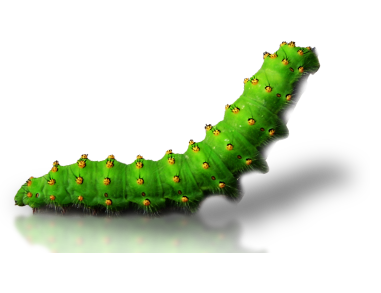
Many people focus only on flowers for adult butterflies, but the most important plants are actually the ones that feed caterpillars. Butterflies lay their eggs on specific plants that their larvae depend on.
Some excellent host plants include: 
- Milkweed – Essential for monarch butterflies
- Parsley, Dill, and Fennel – Favorites of swallowtail caterpillars
- Pawpaw Trees – Important for species like the zebra swallowtail
Don’t be surprised if these plants show signs of chewing. That’s a good sign—it means your garden is supporting the next generation of butterflies.
Add Nectar Plants for Adult Butterflies
Adult butterflies feed on nectar from flowers, so planting colorful, fragrant blooms is key. Choose plants with bright colors like purple, yellow, red, and orange to draw them in.
Some excellent nectar plants include:
- Butterfly Bush
- Marigolds
- Zinnias
- Purple Coneflower
- Lantana
- Aster
- Black-eyed Susan
These flowers not only attract butterflies but also brighten your garden with vibrant color throughout the season.
Use a Smart Planting Strategy
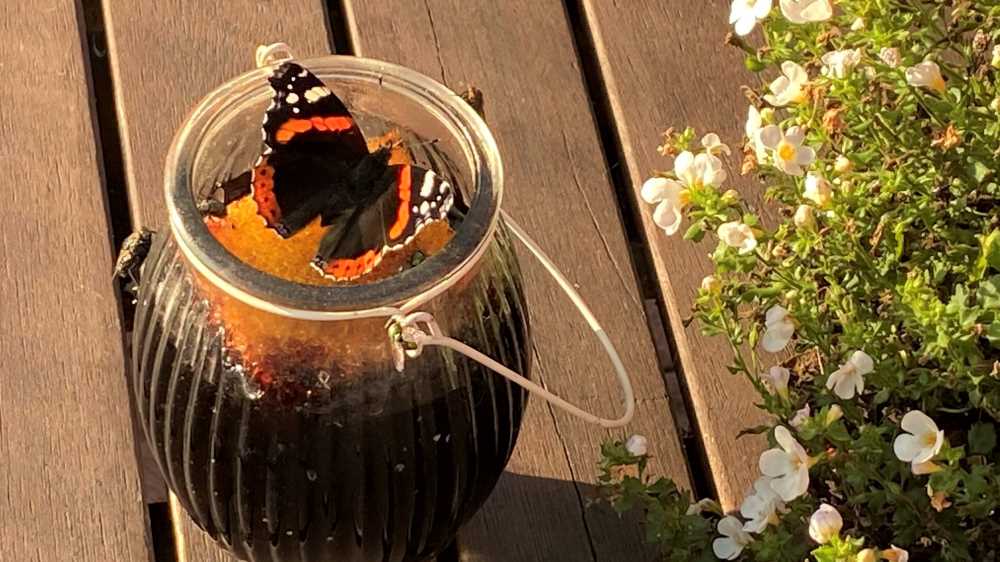
Butterflies locate flowers more easily when they are planted in groups or clusters, often called “drifts.” Instead of scattering individual plants around the yard, plant several of the same species together.
It’s also helpful to choose plants that bloom at different times of the year, ensuring nectar is available from early spring until late fall. This continuous food supply keeps butterflies visiting your garden throughout the entire growing season.
Create a Puddling Station
Butterflies don’t get all their nutrients from nectar. They also seek out minerals and salts from damp soil, a behavior known as puddling.
You can easily create a puddling station by:
- Filling a shallow container with sand or small gravel
- Adding a little water to keep it damp
- Placing it in a sunny area of the garden
Butterflies will gather there to sip the mineral-rich moisture.
Provide Sun and Shelter
Butterflies love warmth and sunshine. Place your butterfly garden in a location that receives at least 6–8 hours of sunlight each day.
At the same time, butterflies need protection from strong winds. Planting near shrubs, fences, or garden structures can create sheltered spaces where they can rest and feed comfortably.

Keep the Environment Safe
One of the most important steps is also the simplest: avoid pesticides entirely.
Many pesticides don’t distinguish between harmful insects and beneficial ones. Unfortunately, they can kill caterpillars and butterflies just as easily as garden pests. A natural, chemical-free garden ensures that butterflies can safely grow and thrive.
Offer Overripe Fruit Feeders
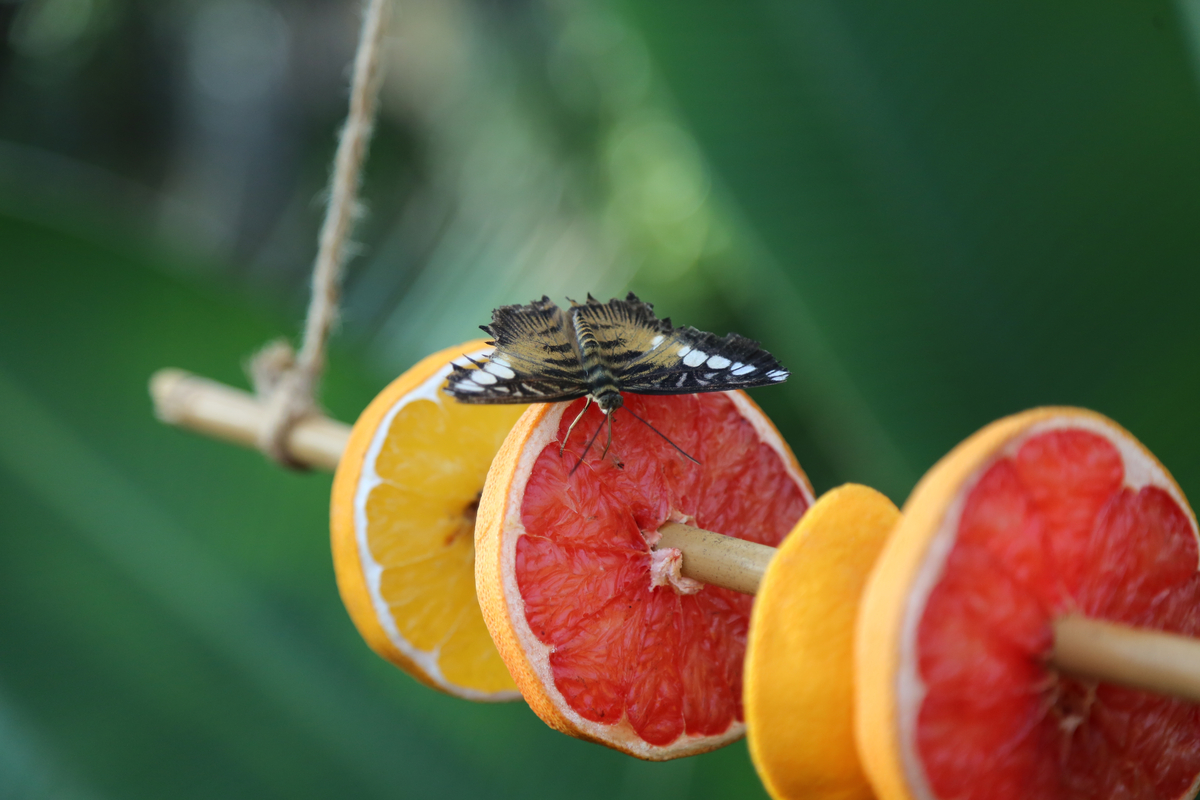
While nectar is their primary food, some butterfly species are especially attracted to overripe fruit.
Place pieces of fruit such as:
- Bananas
- Watermelon
- Peaches
on a shallow tray or dish in your garden. Species like the Question Mark and Mourning Cloak butterflies often gather at these sweet treats.
Sit Back and Enjoy the Show

Once your butterfly garden begins to flourish, take time to slow down and enjoy it. A well-planned butterfly habitat becomes more than just a garden—it becomes a living, moving display of color and life.
You may start noticing caterpillars on your host plants, chrysalises tucked away among stems, and butterflies returning day after day to feed and bask in the sun. Each visit is a reminder that even small efforts in our own yards can help support the natural world.
By creating a welcoming space filled with the right plants, sunshine, and safe habitat, you’re not just beautifying your yard—you’re helping bring butterflies back where they belong. And that’s something every garden can be proud of.
About Post Author


