Bring the Magic of Hummingbirds to Your Backyard

Welcoming Hummingbirds to Your Yard
Hummingbirds are some of the most fascinating visitors you can invite into your yard. With their tiny bodies, iridescent feathers, and lightning-fast wings, these birds often feel more like living jewels than ordinary wildlife. Watching a hummingbird hover in midair as it feeds—its wings beating so fast they blur—is a small moment of magic that can turn any garden into a lively, peaceful place.
Beyond their beauty, hummingbirds also play an important role in nature. As they move from flower to flower collecting nectar, they help pollinate many plants. This means they contribute to healthy gardens and thriving ecosystems. Many people who attract hummingbirds find that their yards become more vibrant as the birds return day after day to favorite feeding spots. 
Another reason hummingbirds are such beloved backyard guests is their curiosity and personality. They quickly learn where reliable food sources are and may even recognize certain feeding locations. Once they discover a yard that provides nectar, it’s common to see them returning throughout the season—sometimes even defending their favorite feeder from other hummingbirds.
If you enjoy gardening, nature watching, or simply spending time outdoors, attracting hummingbirds is one of the most rewarding ways to bring life and movement into your yard.
How to Make a Simple DIY Hummingbird Feeder
You don’t need an expensive store-bought feeder to attract hummingbirds. In fact, a simple homemade feeder can work just as well when it’s made correctly and kept clean. One easy method uses a small glass jar and a few basic household materials.
Materials 
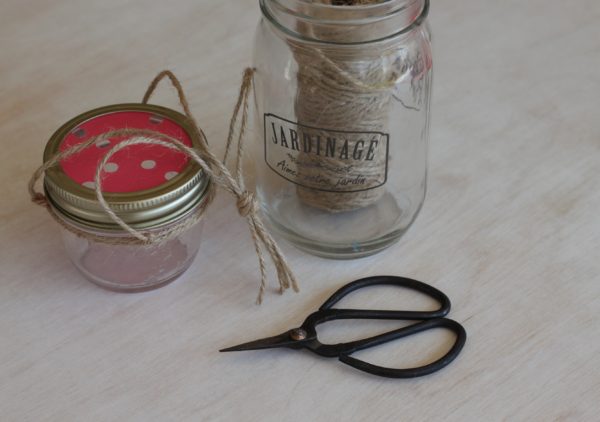
- A small glass jar with a lid
- Red paint (non-toxic if possible)
- A nail or small drill
- Wire or strong twine for hanging
- White granulated sugar
- Water
Step 1: Prepare the Lid
Hummingbirds are strongly attracted to the color red, which is why many feeders include red components. Paint the lid of the jar red and allow it to dry completely. Once the paint is dry, use a nail or drill to create several small holes in the lid. These holes allow the birds to access the nectar.
Make sure the holes are small enough that the liquid won’t pour out quickly but large enough for the hummingbirds’ thin beaks to reach the nectar.
Step 2: Make the Nectar
A proper nectar mixture is important for the birds’ health. The recommended recipe is a 1:4 ratio of white sugar to water.
For example:
- 1 cup white sugar
- 4 cups water
Bring the water to a boil, stir in the sugar until fully dissolved, and then allow the mixture to cool completely. Boiling helps dissolve the sugar and keeps the mixture clean.
Do not add food coloring, honey, or artificial sweeteners—plain white sugar and water are safest for hummingbirds.
Step 3: Assemble the Feeder
Once the nectar has cooled:
- Fill the jar with the nectar solution.
- Screw the lid with the holes onto the jar.
- Tie wire or strong twine securely around the jar to create a hanger.
Make sure the jar is stable and will hang level so the nectar stays near the feeding holes.
Step 4: Hang the Feeder
Choose a location that is:
- Visible from your home
- Near flowers or plants
- Partially shaded to keep nectar fresh longer
A tree branch, shepherd’s hook, or porch overhang works well.
Step 5: Keep It Clean
Cleanliness is very important for hummingbird feeders. Wash the jar with warm water every few days, especially in warm weather, to prevent mold or fermentation that could harm the birds. Because this feeder uses a simple jar, it’s easy to rinse and refill regularly.
Sit Back and Enjoy the Visitors
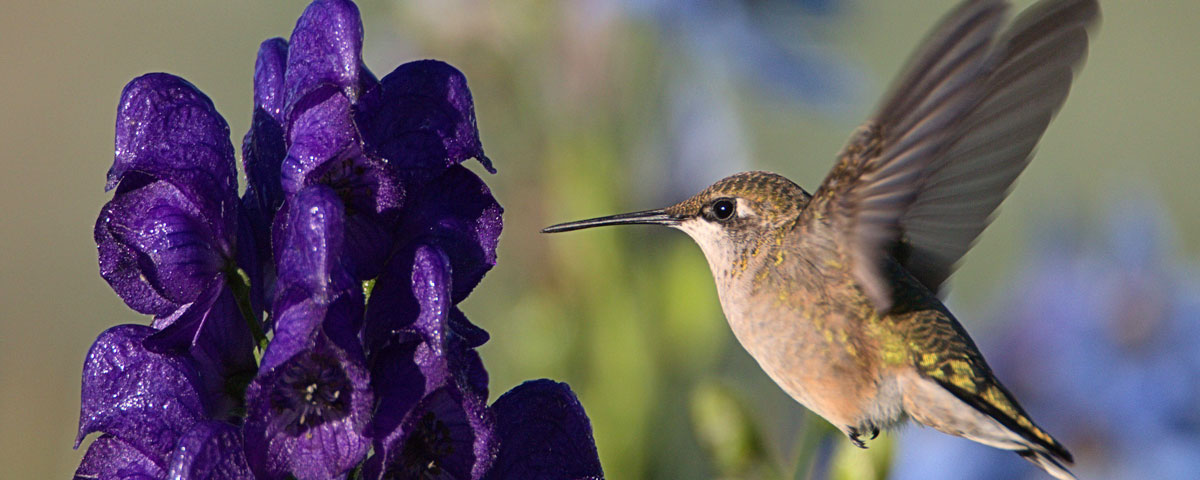
Once your feeder is up, it may take a little time for hummingbirds to discover it. But when they do, you may find yourself with regular aerial visitors darting in and out of your yard. Watching them hover gracefully while feeding is a relaxing and joyful experience.
You might even notice different behaviors—some hummingbirds are bold and territorial, while others quietly slip in for a quick drink. Over time, your feeder can become a reliable stop for birds traveling through your area.
Providing nectar, keeping the feeder clean, and maintaining a welcoming garden environment are simple ways to help these remarkable birds thrive. So hang up your feeder, keep the nectar fresh, and enjoy the beauty and energy hummingbirds bring to your outdoor space.
About Post Author


