From Tree to Trail: How to Turn a Fallen Tree into Rustic Stepping Stones

DIY Tree Log Stepping Stones: A Natural Way to Reuse Fallen Trees
Tree log stepping stones are one of the most natural and meaningful ways to reuse wood from a tree that has been cut down. Instead of letting the trunk go to waste, you can transform it into beautiful garden pathways that blend perfectly with the surrounding landscape. These rustic stepping stones bring warmth, texture, and a woodland charm to any yard, while also being a practical and budget-friendly DIY project.
Because they come directly from nature, log rounds feel far more organic than concrete or manufactured pavers. They age gracefully, settle into the garden environment, and make a path that looks like it has always belonged there.
Keeping the Memory of a Tree Alive
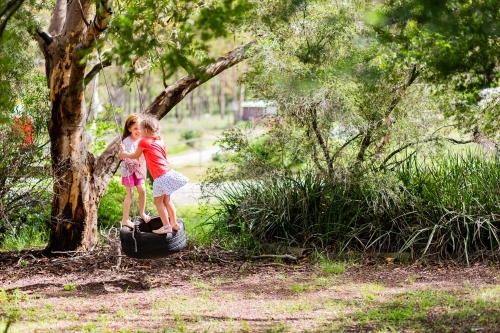
Sometimes a tree must be removed because it becomes unsafe, diseased, or simply grows too large for its space. When that happens, many homeowners feel a surprising sense of loss. Trees often hold memories—shade on summer days, a favorite climbing spot for kids, or the place where a swing once hung.
Turning part of that tree into stepping stones is a wonderful way to preserve its presence in your landscape.
Instead of disappearing completely, the tree becomes part of your daily garden experience. Each step along the path is a reminder of the life the tree once had and the role it played in your yard. Many people especially like using wood from a meaningful tree—perhaps one planted by a previous homeowner, a family member, or one that simply stood proudly in the yard for decades.
It’s a simple way to honor the tree while giving it a second life.
A Natural and Budget-Friendly Garden Feature
Tree log stepping stones are also incredibly practical. Compared to traditional stone or concrete pavers, they can be extremely affordable—especially if you already have access to a cut tree.
They add:
- A rustic woodland look to garden paths
- A natural alternative to concrete paving
- A low-cost DIY landscaping project
- A sustainable way to reuse wood
Because every log round has unique grain patterns, cracks, and color variations, no two stepping stones will look the same. The result is a path with character that feels handcrafted and connected to the natural environment.
Best Types of Wood to Use
Not all wood performs equally outdoors, so choosing durable species will help your stepping stones last longer.
Some of the best options include:
- Cedar – naturally resistant to moisture and insects
- Black locust – extremely rot resistant and long-lasting
- Oak – strong, dense, and widely available
These woods hold up well in outdoor conditions and are less prone to rapid decay than softer species.
How Tree Log Stepping Stones Are Made
Creating tree log stepping stones is a fairly simple DIY project that most homeowners can complete in a weekend.
1. Slice the Logs
Start by cutting the tree trunk into round slices about 4–6 inches thick. This thickness provides enough strength and durability for stepping stones.
A chainsaw or large saw works best for making the cuts.
2. Let the Wood Dry
Freshly cut wood contains moisture, so allow the rounds to dry and cure for several weeks if possible. This helps reduce cracking and improves durability.
3. Seal the Wood
To extend the life of the stepping stones, apply a wood sealer or outdoor preservative. Sealing helps protect the wood from:
- moisture
- rot
- insects
- weathering
Some people prefer clear sealers to keep the natural look, while others use natural oils for a more organic finish.
4. Prepare the Path
Mark out the location of your stepping stones and dig shallow holes where each one will sit.
Fill the base with compacted sand or gravel, which helps with drainage and prevents the wood from sitting directly in damp soil.
5. Set the Log Rounds
Place each round into the sand base and gently tamp it down so it sits level with the surrounding ground.
Spacing them at comfortable walking intervals creates a relaxed garden pathway that winds naturally through the yard.
A Charming Woodland Path 

Once installed, tree log stepping stones create a pathway that feels straight out of a woodland garden. Moss, flowers, and ground cover plants often grow around them naturally, helping them blend even more into the landscape.
Over time, the wood develops character and weathered beauty, making the path feel even more rustic and authentic.
For homeowners who love DIY projects and natural landscaping, log stepping stones are a simple, sustainable way to turn a fallen tree into something beautiful and lasting.
And every step along the path tells the story of the tree that once stood there.
About Post Author


