Honey Bees Need Us: Simple Ways Your Garden Can Help Save Pollinators
Honey bees are in danger, and their decline is a growing concern around the world. These important pollinators play a major role in the health of ecosystems and in the production of many foods we eat every day. A large percentage of fruits, vegetables, and nuts rely on bees for pollination. However, honey bee populations have been threatened by habitat loss, pesticide use, disease, and climate change.
The good news is that gardeners can help. By planting the right flowers and creating a welcoming environment, your garden can become a valuable refuge for honey bees and other pollinators. Even small gardens, patios, or balconies can provide important sources of nectar and pollen.
Below are several ways you can attract honey bees and support their populations right in your own garden.
Helping Honey Bees: How to Attract Them to Your Garden
Why Honey Bees Matter
Honey bees are among the most important pollinators in nature. As they travel from flower to flower collecting nectar and pollen, they transfer pollen between plants. This process allows many plants to produce fruit and seeds.
Many common crops depend heavily on pollination from bees. Apples, blueberries, almonds, cucumbers, and many other foods would be far less productive without these pollinators. When honey bee populations decline, it affects not only agriculture but also natural plant communities.
By creating bee-friendly spaces in gardens and yards, individuals can help provide the resources bees need to survive and thrive.
Plants That Attract Honey Bees
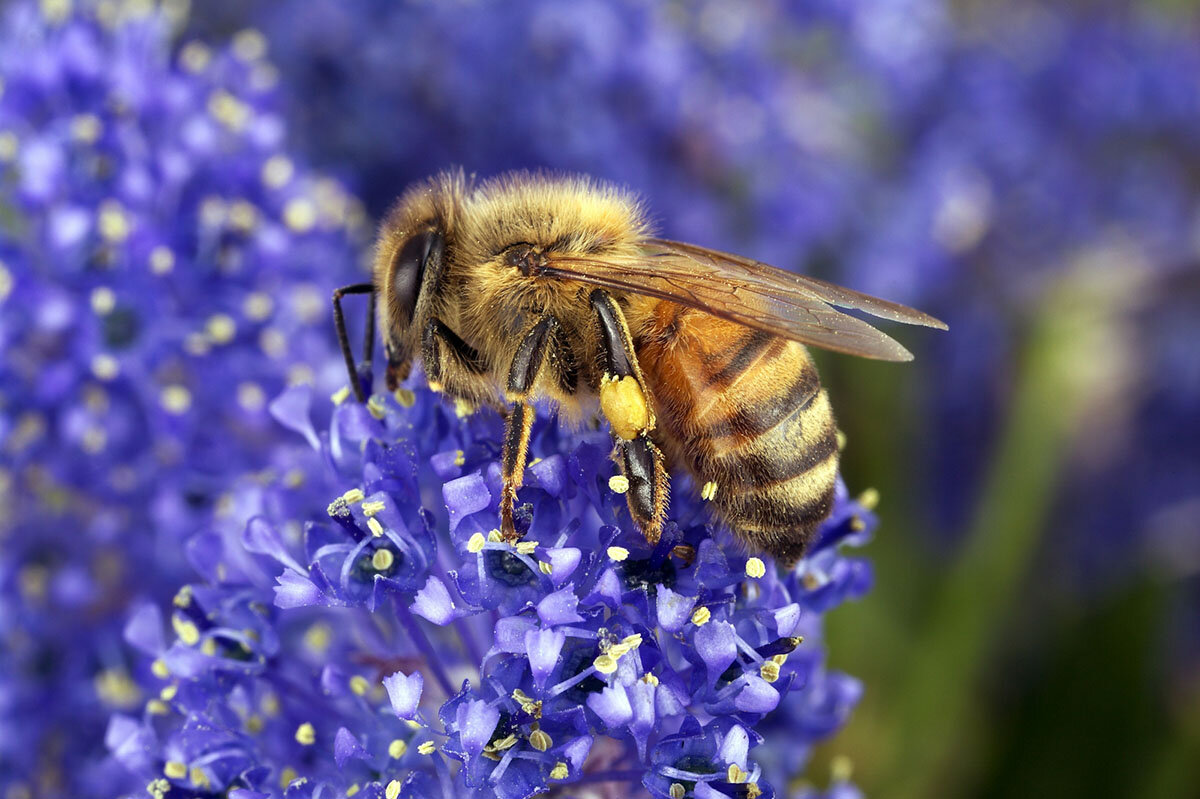
One of the best ways to attract honey bees is to plant flowers that produce abundant nectar and pollen. Bees are particularly drawn to brightly colored flowers with strong scents and easy access to nectar.
Some excellent plants to include in a bee-friendly garden include:
Lavender
Lavender produces fragrant purple flowers that are rich in nectar. It blooms for long periods and is highly attractive to honey bees.
Sunflowers
Sunflowers provide both nectar and pollen, making them an important food source for bees. They also add height and visual interest to a garden.
Wildflowers
Native wildflowers are among the best choices for attracting bees because they evolved alongside local pollinators. Popular options include coneflowers, black-eyed Susans, and bee balm.
Clover
Clover is often overlooked but is a valuable nectar source for honey bees. Allowing clover to grow in lawns or garden areas can provide an important food supply.
Flowering Herbs
Many herbs become very attractive to bees once they flower. Some excellent choices include thyme, sage, basil, mint, and oregano.
To provide continuous food for bees, it is helpful to plant a variety of flowers that bloom at different times throughout the growing season.
Provide a Source of Water
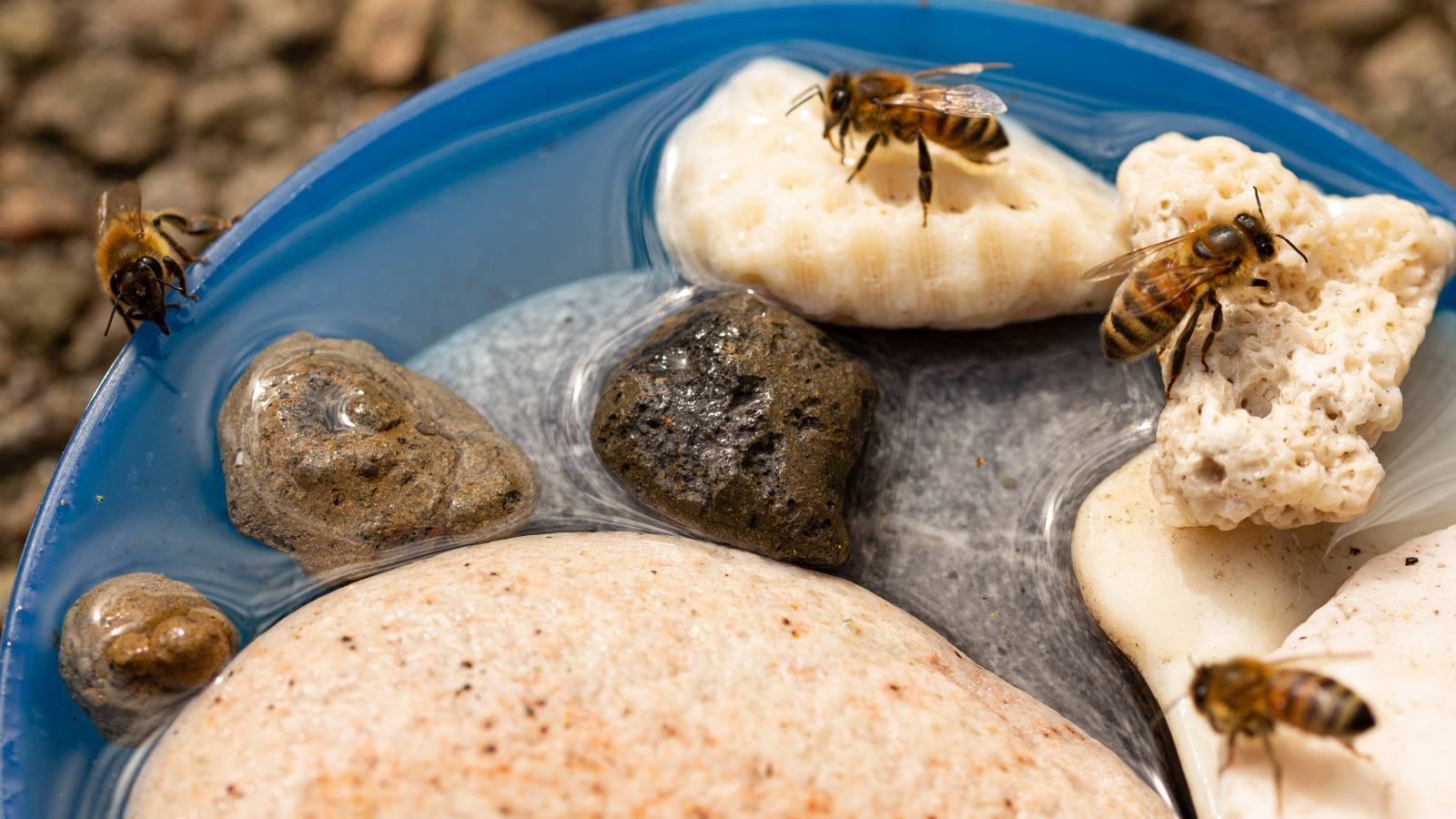
Honey bees need water for hydration and for regulating the temperature of their hives. Providing a simple water source in your garden can help support them.
A shallow dish or birdbath can work well if you add small stones or pebbles that allow bees to land safely while drinking. Keeping the water clean and regularly refilled will make the area more attractive to visiting pollinators.
Avoid Harmful Pesticides
Many pesticides can harm honey bees and other beneficial insects. Chemicals designed to kill garden pests may also affect pollinators that visit flowers.
Gardeners can help protect bees by avoiding pesticides whenever possible. Natural pest control methods, such as encouraging beneficial insects or using physical barriers, can often solve pest problems without harming pollinators.
If treatments must be applied, they should be used carefully and ideally during evening hours when bees are less active.
Create a Bee-Friendly Habitat
In addition to food and water, bees benefit from safe and diverse habitats. A garden that includes different plant types and structures can provide shelter and resting areas for pollinators.
Some helpful practices include allowing small sections of the garden to grow more naturally, planting flowers in dense patches, and leaving some plant stems or natural materials in place. These features can help support a wider variety of pollinators.
Plant in Clusters
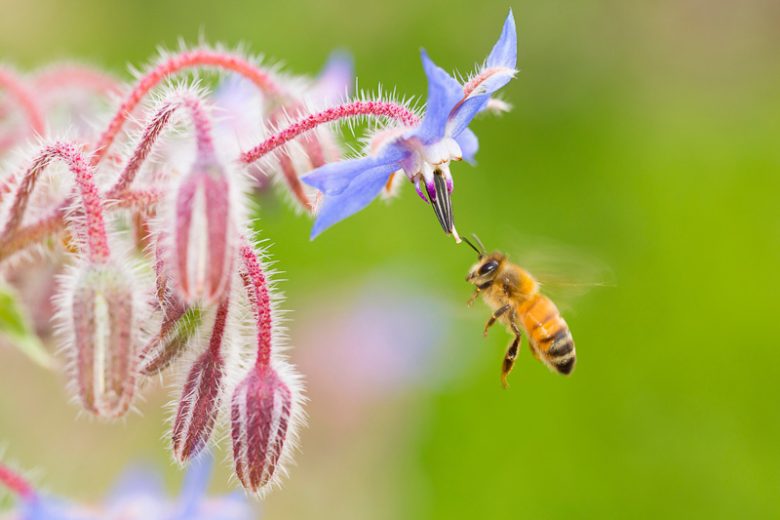
Honey bees are more likely to visit gardens where flowers are planted in groups rather than scattered individually. Clusters of the same plant make it easier for bees to gather nectar efficiently and encourage them to stay longer in the area.
Planting larger patches of flowers also makes them more visible and attractive to pollinators flying overhead.
Small Gardens Can Make a Big Difference
Supporting honey bees does not require a large garden. Even small spaces such as container gardens, balcony planters, or window boxes can provide valuable nectar and pollen.
When many people plant bee-friendly gardens, these small habitats combine to create a larger network of resources that help sustain pollinators across neighborhoods and communities.
By planting nectar-rich flowers, reducing pesticide use, and providing simple resources like water, gardeners can play an important role in protecting honey bees and supporting the health of the environment.
About Post Author


