Why The Left Is More Distressed, Anxious, & Filled With Hate Than The Right
TNBD Community 2 hours ago 0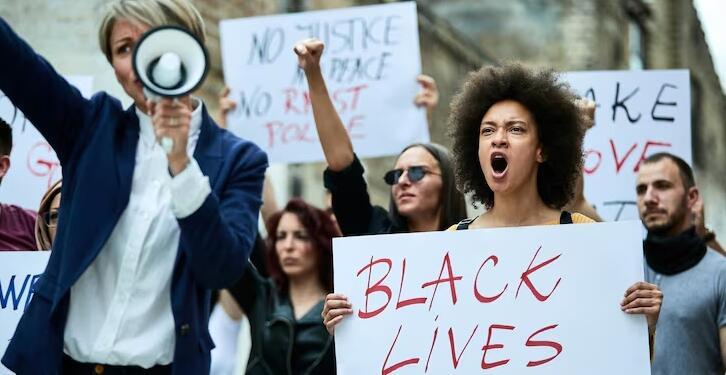
Posted For: Layla Godey
A psychotherapist has argued that political differences between the Left and the Right may also reflect differences in how people process and express emotional distress.
In a recent Telegraph article, therapist Jonathan Alpert describes a pattern he says has become noticeable in his clinical work. According to Alpert, some patients who identify with the political Left express their anger toward political opponents in particularly intense ways. He says the hostility can go beyond simple disagreement or dislike and sometimes includes comments wishing harm on public figures or expressing disappointment when attacks against them fail.
Alpert notes that such statements are usually not presented as literal threats. However, he believes they still reveal something about emotional regulation and the psychological state of the people expressing them. In his experience, the tone accompanying these comments is often striking. He says they are sometimes delivered with visible anger and little hesitation, as though the speakers feel their reactions are justified by the political climate.
He also describes witnessing similar behavior outside of therapy. While walking through New York City after the “No Kings” protests, he noticed a large pile of anti-Trump protest signs. When a woman nearby asked if he liked them, he replied that he agreed with some of the things President Trump had done. The woman immediately responded with an angry outburst.
Alpert contrasts this with the behavior he says he more commonly sees from conservative patients. In his sessions, conservatives also express frustration or dislike toward political leaders they oppose. Many criticized President Joe Biden’s policies, particularly on issues such as border security. Some also questioned Kamala Harris’s qualifications for the presidency.
However, Alpert says that while conservative patients often express contempt or anger, their comments rarely escalate into fantasies about eliminating political opponents. In his view, they tend to frame their criticism in terms of policy disagreements or competence rather than wishing harm on individuals. From a clinical standpoint, he believes that distinction is meaningful.
He suggests that conservatives have historically placed a stronger cultural emphasis on emotional restraint. Qualities such as stoicism and self-control are often admired, while open complaining or framing personal struggles in therapeutic language may be viewed with skepticism. As a result, conservative patients may be less likely to describe their distress in psychological terms, even when they are experiencing it.
Instead of presenting themselves as victims or focusing on vulnerability, Alpert says political frustration among conservatives often shows up as cynicism, irritation, or withdrawal from political discussion. He adds that many conservative patients see politics as only one part of their lives. Their main sense of purpose often comes from family, faith, work, or community responsibilities. When elections do not go their way, they typically return their attention to those areas rather than allowing politics to dominate their daily lives.
He argues that the dynamic can be different for some people on the Left, where political identity may become closely tied to personal identity. When politics is viewed as a battle between moral good and evil, disagreements can feel like existential threats rather than ordinary conflicts. In that environment, losing political battles may feel like a personal or moral catastrophe.
Some observers have suggested that age could also play a role in these differences. Younger adults are statistically more likely to support left-leaning political movements, and younger people may experience politics in more absolute terms. Older adults, having lived through multiple political cycles, may be more likely to approach politics with skepticism or detachment.
Another theory focuses on personality traits and emotional tendencies. Research discussed in an article published through Cambridge University Press explored the connection between anxiety, social exclusion, and support for redistributive economic policies. The authors, Adam Panish and Andrew Delton, examined how emotional factors can influence political preferences.
They noted that earlier theories in political psychology often suggested conservative beliefs helped anxious individuals manage fear and uncertainty. However, more recent research has found that people who identify as politically liberal often report higher levels of negative emotions, including anxiety and stress. This finding has sparked debate among researchers and commentators trying to understand why liberals sometimes report lower overall happiness than conservatives.
A separate report summarized in Columbia University Magazine examined mental-health trends among young Americans. Researchers analyzed survey responses from more than 86,000 high-school seniors collected over a 13-year period. While depression rates rose among students across all political backgrounds, the increase was steepest among those who identified as politically progressive. The trend was especially noticeable among liberal girls from lower-income households.
Another study reached similar conclusions when comparing mental-health indicators with political ideology. The research found the highest risk of mental-health issues among people identifying as strongly liberal. More moderate liberals also showed somewhat elevated rates, while conservatives and strongly conservative respondents generally reported lower levels.
Some analysts have also examined political extremism on the Left. The Institute for Strategic Dialogue describes left-wing extremism as a belief system that claims moral superiority for socialist or communist values, divides political actors into rigid moral categories, and seeks complete control over social and political institutions. According to the institute, such movements often reject elements of liberal democracy such as political pluralism, the separation of powers, and universal rights.
Historically, some revolutionary thinkers defended aggressive political language as a reaction to social injustice. Leon Trotsky once argued that harsh rhetoric and insults could be traced to experiences of oppression and humiliation.
Psychologists have also studied the idea of “righteous anger.” Some analyses suggest anger can make people feel morally justified and empowered. By turning feelings of frustration or helplessness into moral certainty, anger can create a sense of superiority and reinforce the belief that one’s own position is unquestionably correct.
For Alpert, that psychological dynamic may help explain why some political activists express their anger so intensely. When people believe they are defending a moral cause, their outrage can feel not only justified but necessary.