Virtually All Countries Support Voter Photo ID – So Why The Filibuster?
Posted For: Layla Godey
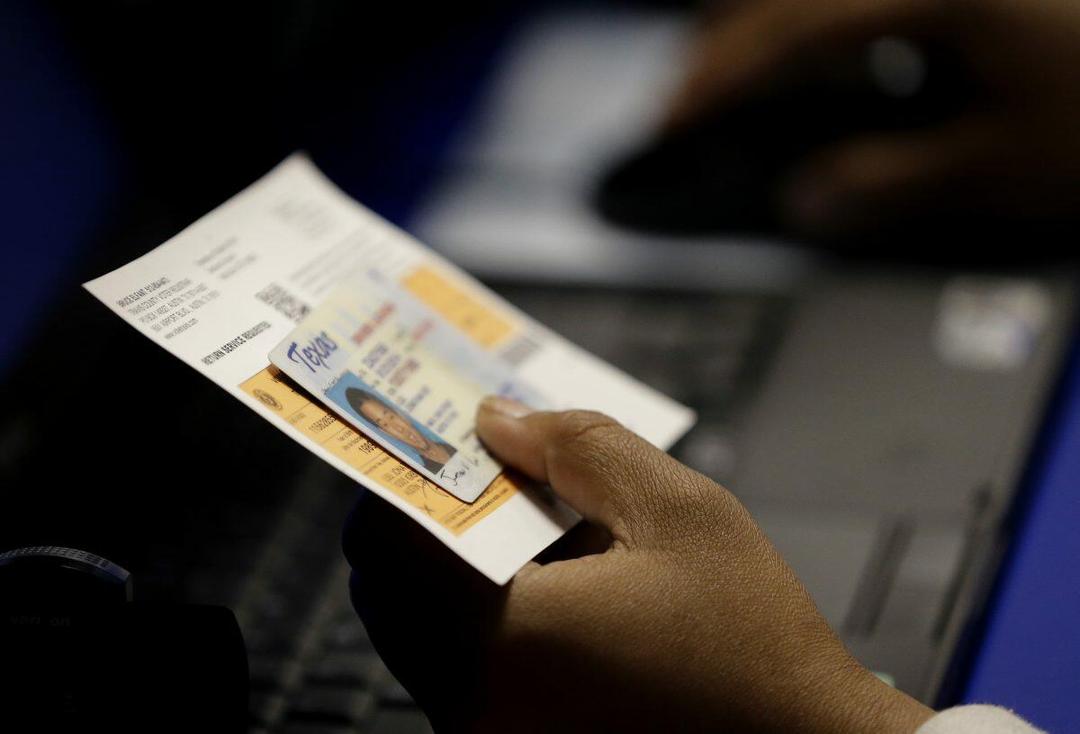
A recent analysis by CNN’s chief data analyst Harry Enten found that voter ID requirements are broadly supported across the United States. According to polling data he cited, 95 percent of Republicans and 71 percent of Democrats favor requiring identification to vote. Despite that level of support, the proposed SAVE Act currently has the backing of only one Democrat in the House and one Democrat in the Senate. If at least seven more of the 47 Senate Democrats do not support the measure, a filibuster could prevent it from passing.
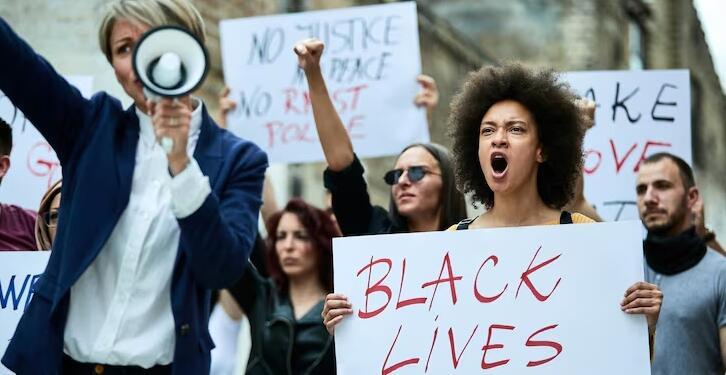
Opponents of the legislation argue that voter ID laws can create obstacles for some eligible voters. They say that even when identification is provided free of charge, obtaining it may still pose practical challenges that could discourage participation in elections. Some critics also claim the requirements could disproportionately affect Black voters. However, government-issued identification is required for voting in every country in Africa.
Similar concerns have been raised regarding Hispanic voters, but many countries with large Hispanic populations require identification to vote. Mexico, all twelve nations in South America, and Spain each require voters to present a government-issued photo ID at the polls.
These countries generally have lower average incomes than the United States. Supporters of voter ID laws argue that if citizens in those nations are able to obtain the required documentation, Americans should be able to do the same.
Polling shows strong support for voter ID laws among the American public overall, with 83 percent of adults in favor of requiring government-issued photo identification at the polls. Support is also high among groups that critics say could be negatively affected: 82 percent of Hispanic respondents and 76 percent of Black respondents favor such requirements. Ten U.S. states already have strict photo ID laws in place.
Critics have also argued that voter ID laws could disproportionately impact women, but surveys show that women support voter ID requirements at the same rate as men.
Other arguments focus on the potential effects on people with lower incomes or less formal education. Yet survey data suggests these groups are actually more supportive of voter ID requirements than wealthier or more highly educated voters. Individuals who did not finish high school were found to support photo ID laws at a rate 27 percentage points higher than people who attended graduate school. Likewise, those earning under $30,000 annually were seven percentage points more supportive of voter ID requirements than individuals making more than $200,000 a year.
Beyond South America and Africa, many developed countries also require identification at the polls. Both Canada and Mexico require voter identification, with Mexico also requiring a thumbprint as part of its voter credential system. Most European nations require government-issued photo identification to vote, with limited exceptions in parts of the United Kingdom.
Mexico adopted sweeping election reforms in 1991 following concerns about vote fraud. The changes included mandatory voter ID cards with biometric features, in-person voter registration, and the elimination of absentee ballots. Although these reforms made registration more demanding and removed absentee voting, voter turnout increased afterward. In the three presidential elections before the reforms, an average of 59 percent of eligible voters participated. In the three elections afterward, turnout rose to an average of 68 percent, which supporters attribute to increased confidence in the integrity of the system.
Other regions have introduced stricter voting safeguards after experiencing fraud. In Northern Ireland, where political tensions have historically been intense, election observers reported widespread voter fraud in earlier decades. Both Conservative and Labour governments introduced measures intended to address the issue.
In 1985, during the government of Margaret Thatcher, the United Kingdom required voters in Northern Ireland to present identification before receiving a ballot. However, some forms of ID accepted at the time, such as medical cards, were reportedly easy to counterfeit or obtain fraudulently.
By 2002, the Labour government introduced stronger identification cards and additional safeguards designed to prevent duplicate voter registrations. After the new rules took effect, the number of registered voters dropped by about 11 percent, suggesting that earlier voter rolls may have contained fraudulent entries.
Accounts from that period describe organized efforts to exploit weak identification rules. Brendan Hughes, a former IRA commander in Belfast, later described how groups transported individuals between polling stations to cast multiple votes using disguises such as wigs, glasses, and different clothing.
A 2002 survey by the U.K. Electoral Commission found that many voters believed fraud had been significant enough to influence election results in some areas. Sixty-four percent of respondents said they believed voter fraud could affect outcomes, compared with 10 percent who disagreed.
Supporters of the SAVE Act say the measure is meant to reinforce confidence in American elections by ensuring that only citizens vote. Representative Henry Cuellar, the only House Democrat backing the legislation, said he supports the bill because he believes elections in the United States should be decided by American citizens.
Currently, seven U.S. states already require proof of citizenship when registering to vote, using documents such as birth certificates, passports, tribal identification, or naturalization papers. Senator John Fetterman, the only Senate Democrat who has spoken favorably about the proposal, has said that asking voters to present identification is not unreasonable.
Opponents remain strongly critical of the proposal. Senate Minority Leader Chuck Schumer has argued that the SAVE Act would impose restrictions on voting that he compares to historical voting barriers.
Supporters of voter ID laws counter that most countries around the world require identification to vote and view such measures as a standard part of election security.
About Post Author