It’s a type of cross-border smuggling many people probably don’t know exists

A prickly pear cactus (Opuntia) growing in northern Mexico. (Getty/Jerry Garcia)
A lesser-known form of smuggling has quietly taken root across the US-Mexico border: cactus trafficking. Journalist Charlie McCann joins a group of enthusiasts on a road trip through Mexico, following their hunt for rare desert plants that are highly sought after by collectors. The group is led by a California nursery owner, who goes by the pseudonym Ran Fowler, whose passion for succulents drives the expedition.
Their goal is to locate and obtain wild cacti and seeds—plants that can command significant sums—but the activity is illegal. Fowler and his companions justify their actions as conservation, claiming they are saving species that could disappear from their delicate desert ecosystems. “I feel fortunate to believe that what I do benefits nature,” Fowler says.
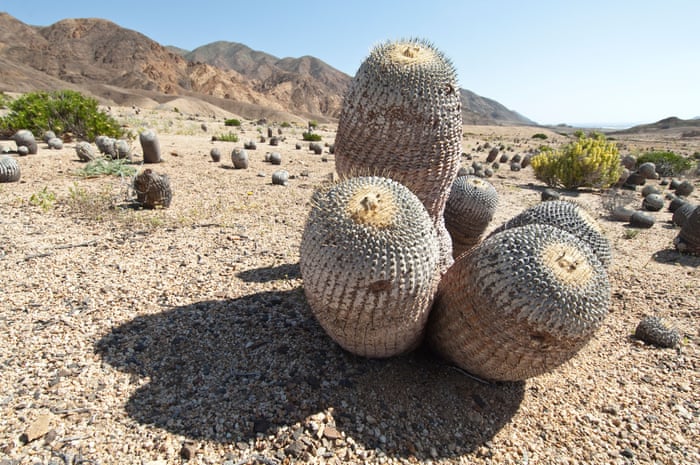
Yet not everyone agrees with that perspective. McCann delves into the moral ambiguity surrounding the practice. Some self-proclaimed “ethical poachers” argue that stringent regulations impede genuine conservation efforts, while scientists and younger hobbyists counter that this justification echoes a long history of plant exploitation, where collectors depleted wild populations under the guise of preservation.
By the time Fowler crosses back into the United States with undeclared cuttings, the story raises a lingering ethical dilemma: were these actions a form of responsible conservation, or simply illegal smuggling disguised as environmental concern?
About Post Author


