Thrift Stores Are Thriving as Penny-Pinchers Come Running

In this Tuesday, March 12, 2019, photo thousands of garments are stored on a three-tiered conveyor system at the ThredUp sorting facility in Phoenix. (AP Photo/Matt York)
Bargain hunters are increasingly turning to thrift stores, making chains like Goodwill an unexpected gauge of economic pressure. Goodwill Industries, the nation’s largest thrift retailer, reported record revenue of $7 billion across its 3,400 stores in 2025—up about 7% from the previous year. CEO Steven Preston told the New York Times that while store traffic is typically steady, it tends to rise “when things are tight” and shoppers become more focused on price.
With inflation lingering, job growth slowing, and everyday costs like rent and groceries remaining high, many households are shifting more of their spending to secondhand goods. For shoppers, the appeal is both practical and fun: thrift stores offer lower prices along with the thrill of a “treasure hunt,” a trend amplified by younger consumers sharing their finds on TikTok and YouTube.
The growth extends beyond Goodwill. Savers Value Village reported nearly 16% net sales growth in its most recent quarter, while online resale platform ThredUp said revenue climbed 34%. Axios recently highlighted Arizona’s secondhand retail market, which has grown roughly 7% annually since 2020. Economists say thrift and resale stores are benefiting from a broader move toward value-conscious spending, and they’re largely insulated from tariff-related price hikes because they don’t depend on newly manufactured imports.
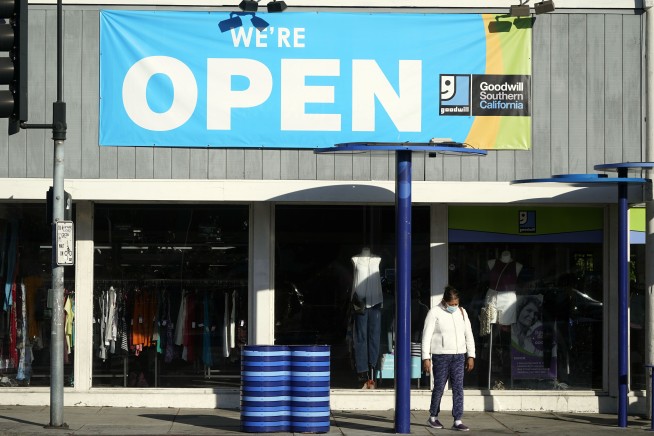
Shifting consumer tastes are also driving the boom. Goodwill’s annual sales have risen nearly 50% since 2019, helped by Gen Z and millennial shoppers who view used clothing as more affordable, durable, and environmentally friendly than fast fashion. Unsold items are sent to outlet stores to be sold by the pound or routed to resellers, overseas markets, or recyclers—part of Goodwill’s effort to keep roughly 6 billion pounds of donated goods in circulation each year. With plans to open 50 to 100 new stores across North America, Chief Operating Officer David Eagles says 2026 could be the organization’s biggest year yet.
About Post Author


