The Next Frontier for Your Carbon Footprint: Toilet Paper

Toilet paper sits on shelves at a Trader Joe's in Alexandria, Va., Jan. 4, 2026. (AP Photo/Michael Phillis)
Toilet paper is a product most people use for only a moment before throwing it away, yet its environmental footprint can be surprisingly large. Traditional toilet paper is usually made from trees and requires energy-intensive manufacturing processes and chemical treatments that can pollute air and water.
Environmental experts say more shoppers are looking for toilet paper made from recycled content or other sustainable materials. However, as the Associated Press reports, it’s not always easy to tell which products are truly better for the planet. While sustainable toilet paper often costs more, it can offer meaningful environmental benefits.
According to the Environmental Paper Network, a coalition of nonprofit organizations, if every American replaced just one roll of toilet paper made from forest fibers with a recycled-content roll, it could save more than 1 billion gallons of water and 1.6 million trees.
Here are some ways consumers can reduce their toilet paper footprint:
Choose recycled fibers
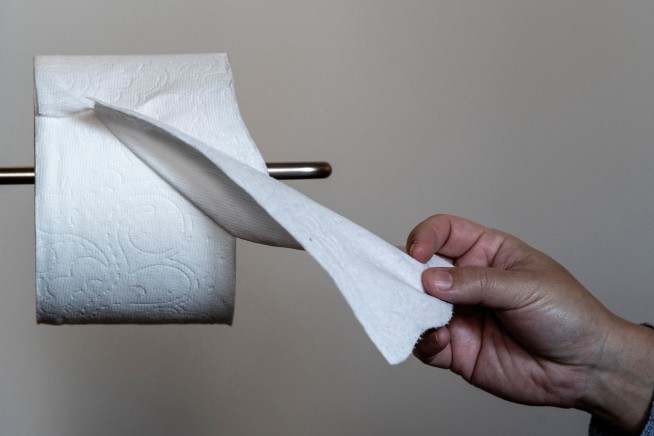
Most toilet paper sold in North America has traditionally been made from trees harvested in Canada or eucalyptus plantations in Brazil. The pulp is bleached to achieve a bright white color, often using chlorine, which can harm ecosystems. The manufacturing process also uses large amounts of electricity and heat to remove moisture and form sheets. Toilet paper made from recycled paper avoids cutting down new trees, and many manufacturers now use chlorine-free bleaching methods.
Look closely at sustainability claims
Some companies conduct life cycle assessments, which measure environmental impacts from the time a tree is grown to when its fibers become toilet paper. Labels reflecting these assessments can help consumers identify more sustainable options. The Natural Resources Defense Council also publishes an annual scorecard grading toilet paper brands from A+ to F. In 2025, Aria, Green Forest, Natural Value, Trader Joe’s, and Whole Foods 365 100% Recycled earned the highest ratings.
Be cautious with bamboo products
Fast-growing bamboo is often promoted as an eco-friendly alternative to trees, but experts say recycled materials are usually a better choice. Ronalds Gonzalez, an associate professor at North Carolina State University, notes that pollution from bamboo processing can reduce its environmental advantages.
Consider bidets
Bidets use water to rinse after using the toilet, which can significantly reduce or even eliminate the need for toilet paper. “You’re not using any sort of logging—it’s water that’s already coming to your household, and it’s very little water,” said Kory Russel, an assistant professor of environmental studies at the University of Oregon.
About Post Author


