


Pickling Summer Veggies: An Easy Way to Enjoy Your Garden Harvest


If you’ve ever had a garden full of vegetables in the summer, you know how quickly everything seems to ripen at once. One day you’re picking a few cucumbers, and the next day you have a whole basket of beans, carrots, peppers, and more. Pickling is one of the easiest and most delicious ways to make sure none of that fresh produce goes to waste.
The best part about pickling summer vegetables is how simple it is. You don’t need special equipment or complicated techniques. With just a few basic ingredients and a jar, you can turn fresh vegetables into crisp, tangy pickles that add flavor to almost any meal.
Pickled veggies are also wonderful for sharing. A jar of homemade pickles makes a thoughtful gift for friends, neighbors, or family. They’re perfect on sandwiches, alongside grilled foods, in salads, or simply as a crunchy snack straight from the fridge.
Once you learn the basic pickling brine, you can experiment with all kinds of vegetables and flavors. From classic dill cucumbers to spicy jalapeños or sweet beets, there’s something for everyone.
What You’ll Need to Make Quick Pickled Veggies
Below is a simple base brine along with ingredient ideas for several different vegetables. You can double or triple the recipe if you have a larger harvest.
Ingredients
Base Pickling Brine

- 1 cup hot water (236 mL)
- 2 tsp non-iodized salt
- 1 cup vinegar (apple cider or white vinegar, 236 mL)
For Pickled Cauliflower 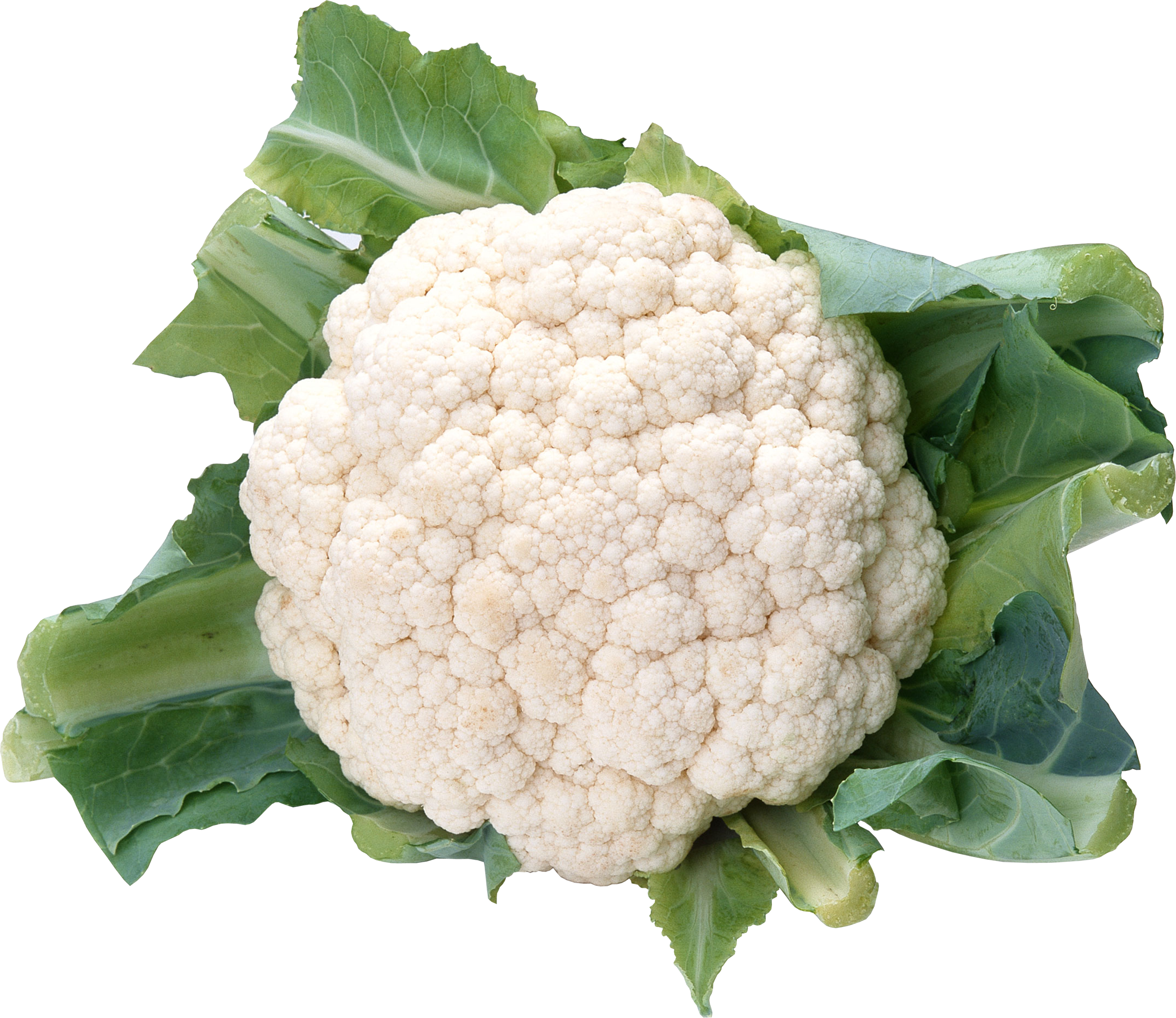

- 1 tsp whole black peppercorns
- 2 cloves garlic, crushed
- Pinch crushed red pepper flakes
- 2 cups chopped cauliflower
For Pickled Green Beans 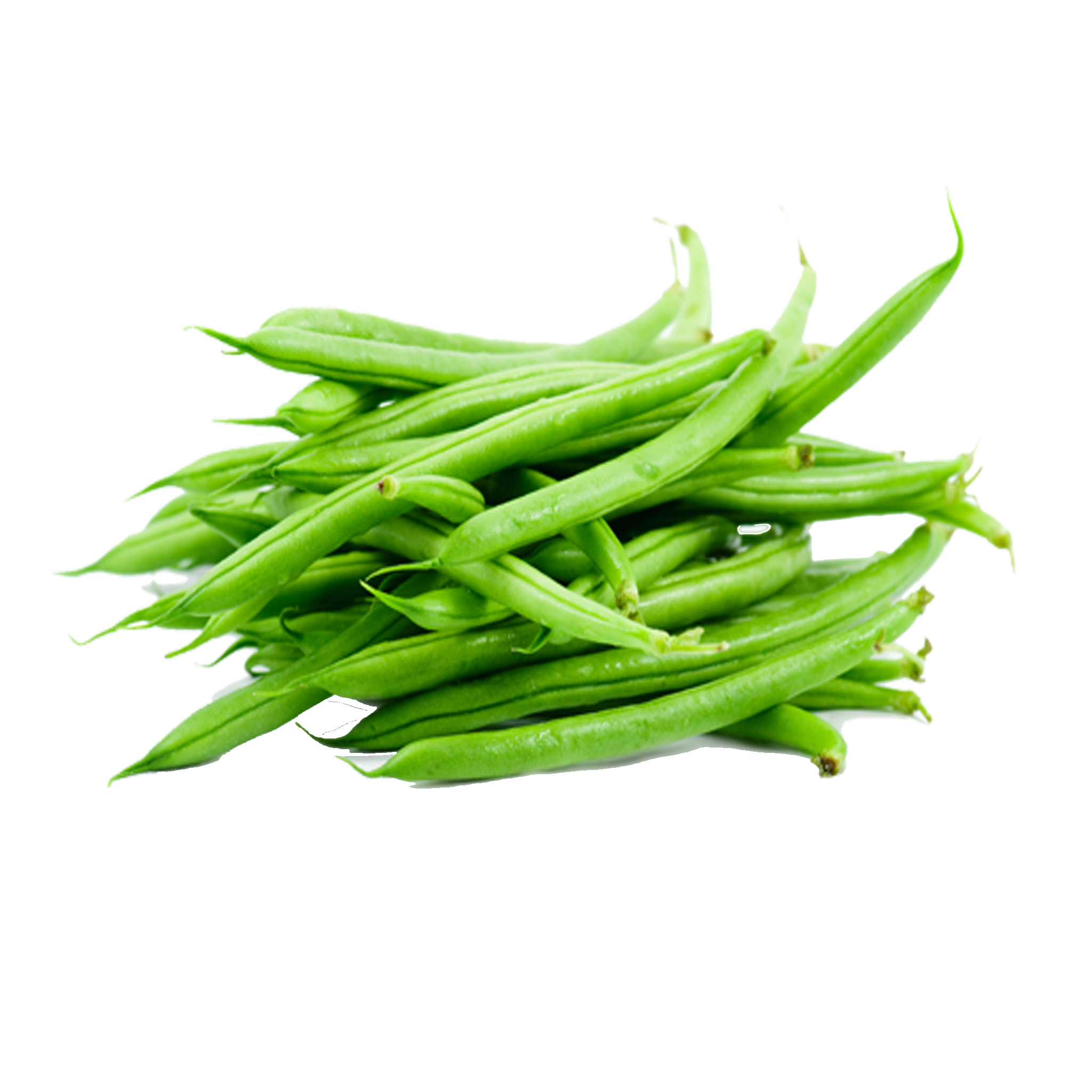

- 5 to 10 sprigs fresh dill (about 1–2 tsp if chopped)
- 2 cloves garlic, crushed
- ½ lb green beans, trimmed (226 g)
For Pickled Beets 

- 1 tsp sugar
- 1 bay leaf
- 1 clove garlic, crushed
- 1 to 2 beets, diced or cut into half-moons
For Pickled Cucumbers 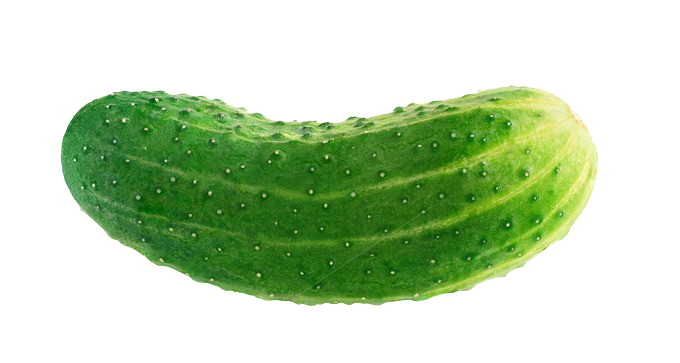

- 2 pickling cucumbers (or 1 English cucumber), sliced or cut into wedges
- 10 sprigs fresh dill (about 2 tsp when chopped)
- 4 cloves garlic, crushed
- 1 bay leaf
- 1 tsp whole black peppercorns
For Pickled Carrots 

- 1 lb carrots, peeled and cut julienne
For Pickled Red Onion 

- 1 large red onion, sliced into half-moons
For Pickled Jalapeños 

- 10 to 15 jalapeño peppers, sliced
Instructions
1. Make the Brine
Heat the water in a kettle, microwave, or on the stove until steaming hot. Stir in the salt until it is completely dissolved. Add the vinegar and stir to combine.
2. Pick Your Pickle
Choose the vegetable and flavor combination you want to make. Place all of the ingredients for that pickle into a lidded, non-reactive container such as a glass jar or ceramic container.
Pour the prepared brine over the vegetables until they are fully covered. You may not need to use all of the liquid depending on the size of your jar.
3. Let It Pickle
Allow the jar to cool to room temperature. Once cooled, seal the container and transfer it to the refrigerator. Let the vegetables pickle for at least 1 hour before eating, though they will develop even more flavor after several hours or overnight.


Enjoy Your Homemade Pickled Veggies 

Now comes the best part—enjoying your homemade pickles! These quick pickled vegetables are crisp, flavorful, and incredibly versatile. Add them to sandwiches and burgers, serve them on charcuterie boards, toss them into salads, or enjoy them straight from the jar as a refreshing snack.
Pickling is also a fun way to experiment with flavors. Try adding mustard seeds, extra garlic, different herbs, or a little sugar for sweetness. Each batch can be a little different depending on what’s growing in your garden.
Most importantly, pickling helps you make the most of your summer harvest and share it with others. A simple jar of homemade pickles is a delicious reminder of the garden all year long. Happy pickling!