


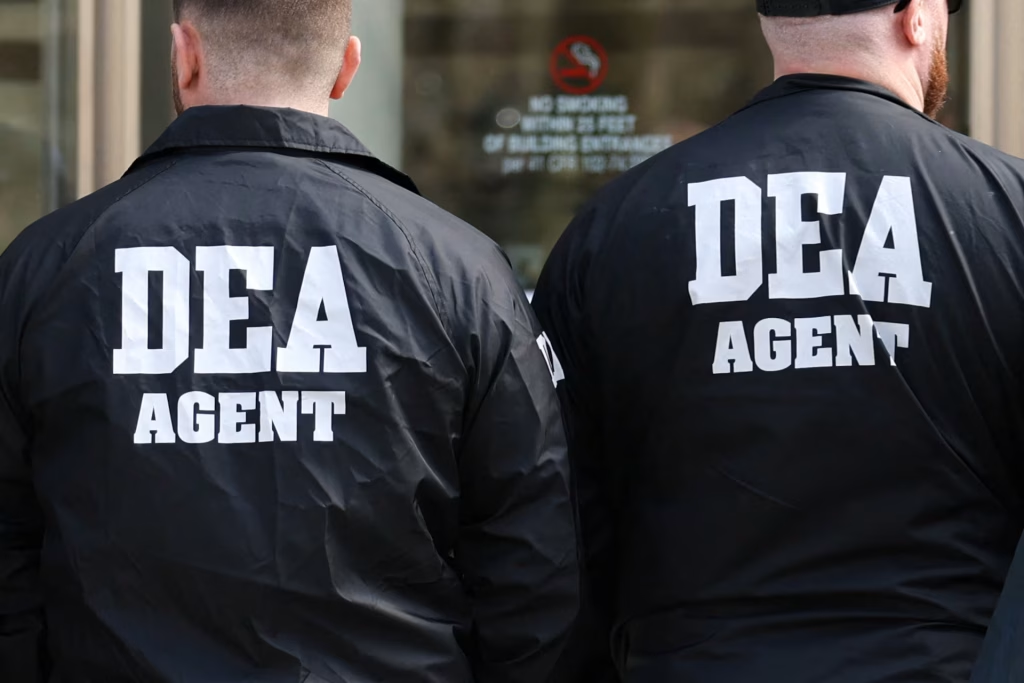
A former senior agent with the U.S. Drug Enforcement Administration and an associate have been charged with conspiring to launder millions of dollars and obtain military-grade firearms and explosives for a Mexican drug cartel, according to an indictment unsealed Friday in New York.
Paul Campo, 61, of Oakton, Virginia, who retired from the DEA in 2016 after 25 years of service, and Robert Sensi, 75, of Boca Raton, Florida, were ensnared in a law enforcement sting involving an informant posing as a member of the Jalisco New Generation Cartel, prosecutors said.
The CJNG cartel was designated a foreign terrorist organization by the U.S. government in February.
U.S. Attorney Jay Clayton said Campo betrayed his career by assisting a cartel responsible for “countless deaths through violence and drug trafficking in the United States and Mexico.”
Campo and Sensi appeared before a New York magistrate judge Friday afternoon, who ordered them held without bail. Their attorneys entered not guilty pleas on their behalf.
Campo’s lawyer, Mark Gombiner, described the indictment as “somewhat sensationalized and somewhat incoherent” and denied that his client and Sensi had agreed to procure weapons for the cartel.
Allegations of Money Laundering and Weapons Procurement
According to the indictment, over the past year Campo and Sensi agreed to launder roughly $12 million in drug proceeds for the cartel and converted about $750,000 in cash to cryptocurrency—believing it would go to the cartel when it actually went to the U.S. government. They also made a payment for approximately 220 kilograms of cocaine intended for sale in the U.S., thinking they would receive a share of the profits.
The two men discussed obtaining commercial drones, AR-15 rifles, M4 carbines, grenade launchers, and rocket-propelled grenades for the cartel. Campo, who had a long DEA career rising to deputy chief of financial operations, reportedly boasted about his experience and offered to act as a “strategist” for the cartel.
Evidence cited in court includes hours of recorded conversations, cellphone location data, emails, and surveillance photos, according to Assistant U.S. Attorney Varun Gumaste.
Sensi’s attorney, Amanda Kramer, argued unsuccessfully for his release, citing his health issues, including injuries from a recent fall, early-stage dementia, and Type II diabetes. Prosecutors noted Sensi’s criminal history, including 1980s and 1990s convictions for mail fraud, defrauding the government, and stealing $2.5 million, and alleged prior involvement in a scheme to obtain military-grade helicopters for a Middle Eastern country.
DEA’s Struggles With Misconduct
DEA Administrator Terrance Cole said in a statement that while Campo is no longer with the agency, the allegations damage public trust in law enforcement.
The DEA has faced multiple scandals in recent years, with at least 16 agents over the past decade charged federally for offenses ranging from child pornography and drug trafficking to leaking intelligence and selling firearms to cartel associates.
Since 2021, the agency has tightened rules on the use of DEA funds in money-laundering stings and warned agents they could face termination for serious first offenses—a shift from prior policies.
Campo and Sensi face four conspiracy charges related to narcoterrorism, terrorism, narcotics distribution, and money laundering.
*