Public tastes in comedy have shifted dramatically over the decades, and few mediums reflect that evolution more clearly than film. Early cinema’s lack of sound pushed humor toward physical gags and slapstick, a style that dominated the silent era and carried into the screwball comedies of the 1930s and 1940s. Once sound became standard, filmmakers gained new tools, and comedic storytelling quickly broadened in style and complexity.
Different eras have inspired different comedic sensibilities. Many viewers look fondly on the self-deprecating, neurotic humor that colored American films in the 1960s and 1970s, while others gravitate toward the crude, awkward, and often outrageous style that defined many comedies of the 2000s. Dark comedy has also left its mark—Stanley Kubrick’s Dr. Strangelove remains a prime example of how taboo subjects like war and death can be turned into biting satire.
Of course, pushing boundaries comes with risks. Comedy has always walked a fine line between clever provocation and genuine offense. John Waters’ films demonstrate how easily jokes can shock audiences; his cult classic Pink Flamingos includes taboo-breaking themes such as cannibalism and incest that have startled viewers for decades.
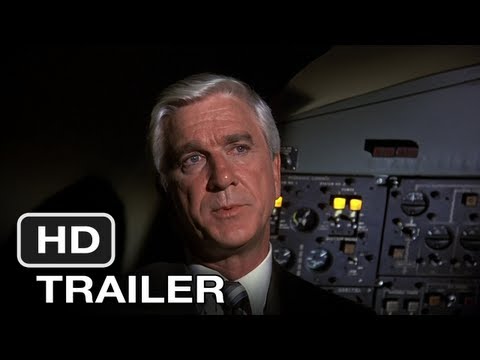
Among the most celebrated comedies in history is Airplane!—the 1980 spoof that became a massive box-office hit and cemented itself as a comedic landmark. Directed by Jim Abrahams, David Zucker, and Jerry Zucker, the film’s absurd, rapid-fire humor earned both critical praise and commercial success, grossing $171 million.
But even a film known for pushing boundaries relied heavily on audience feedback. During early test screenings, the filmmakers discovered that not every joke landed the way they intended. David Zucker later explained that their approach was simple: if a joke didn’t play well, they removed it. One abandoned gag involved a parody of Air Poland featuring blind musicians as pilots—a joke that drew concern from the Anti-Defamation League, which warned that it could reinforce negative stereotypes for Polish children. Zucker said the filmmakers hadn’t considered that impact and were ultimately glad they cut the scene.
He later reflected that part of what keeps Airplane! relevant is its avoidance of humor that punches down. “Nobody does Polish jokes anymore,” he noted, pointing out that mean-spirited humor ages poorly, while well-crafted jokes endure.
The film’s legacy suggests that great comedy isn’t just about boldness—it’s also about listening, revising, and knowing when a joke crosses a line.