



Posted For: Rotorblade
New York City Mayor-elect Zohran Mamdani is moving from campaign promises to the realities of governing. His vision of an activist government touching every corner of city life will soon meet the checks and balances built into Gotham’s system, which favors measured administration over unilateral rule.
The city charter explicitly limits the mayor’s power. The word “except” appears ten times in the section defining the mayor’s authority, and oversteps can trigger intervention by the governor. History offers a cautionary tale: in 1932, Mayor James Walker resigned under pressure during a corruption investigation.

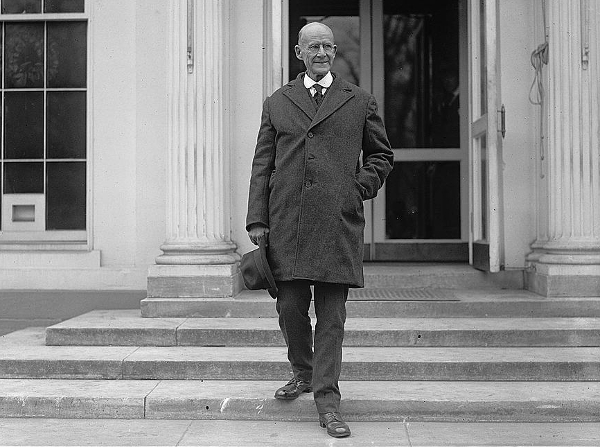
Mr. Mamdani, speaking Tuesday night, vowed that “no problem is too large for government to solve and no concern too small for it to care about,” quoting Eugene V. Debs, the five-time Socialist presidential candidate. Debs, nicknamed “King Debs” for his calls to expand government power, inspired Mamdani’s vision. Yet the U.S. tradition of limited government, rooted in the writings of Abigail Adams and Thomas Jefferson, serves as a reminder that power must be restrained.
When New York City expanded from Manhattan and the Bronx to include all five boroughs in 1898, the goal was efficient, not intrusive, government. Theodore Roosevelt, as head of the NYPD Board of Commissioners in 1895, struggled to implement reforms without broader consent — a challenge addressed by consolidation that empowered a single commissioner.


On January 1, Mr. Mamdani will oversee roughly 300,000 city employees — more than the population of Buffalo — and will have authority to hire and fire some agency heads. But significant limits remain: the commissioner of investigations is untouchable, and major initiatives like creating a new Department of Community Safety, reallocating police funds, or expanding affordable housing will require the cooperation of the 51-member City Council, the state legislature, and the governor.

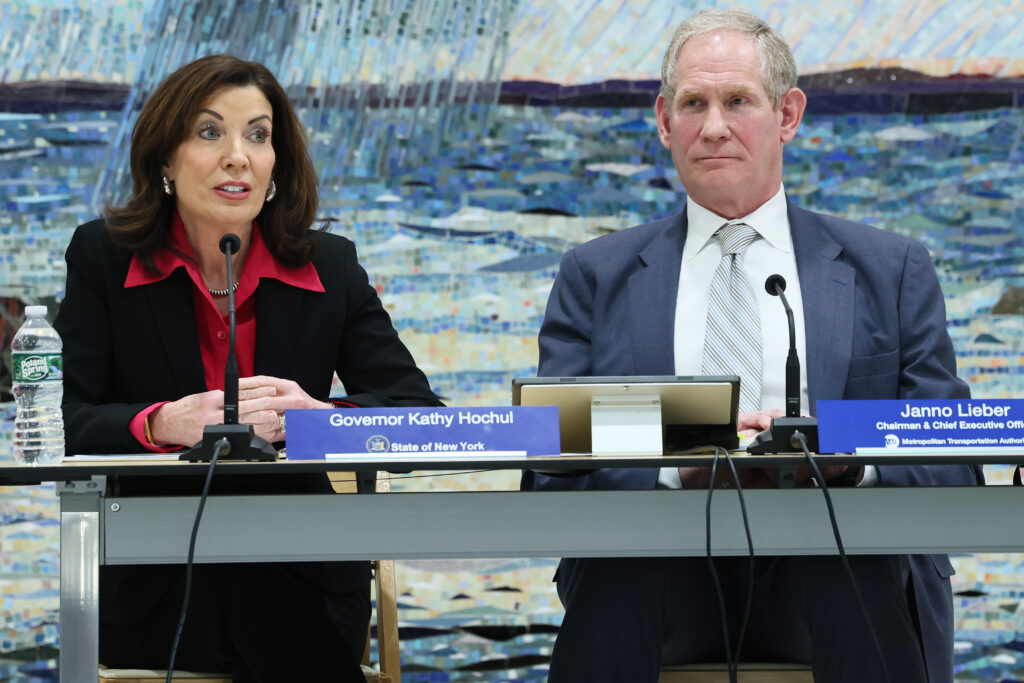
Some campaign promises will face structural hurdles. Free bus service, for instance, is controlled by the MTA, whose funds are pledged to debt repayment under state oversight. Rent freezes would apply only to city-administered housing, and any changes must follow legally prescribed economic criteria. Expanding affordable housing, introducing universal childcare, and raising $9 billion in taxes all require coordination beyond the mayor’s office.
Mr. Mamdani’s term in Gracie Mansion begins on New Year’s Day, but his authority has natural limits. As the framers of both the city charter and the U.S. Constitution recognized, even well-intentioned leaders cannot govern every aspect of life. In Gotham, as in the nation, officials who govern with restraint often serve citizens best.